
TMJ disorders and neck alignment are more connected than many people realize. The temporomandibular joints (TMJ) hinge the jaw to the skull, and when they trouble you, the effects can ripple into surrounding areas, particularly the neck and upper spine. People often notice that jaw pain accompanies stiffness or aches in the neck, headaches behind the eyes, or a sense that posture worsens symptoms. The cause is multifactorial: muscle tension, bite patterns, breathing, sleep position, and daily habits can all influence how the jaw and neck feel. Understanding this interplay helps you approach treatment in a holistic way rather than addressing jaw pain in isolation. For credible background, see the NIDCR TMJ overview and related resources from trusted health organizations.
In this article, you will learn how to recognize signs that jaw and neck issues are linked, practical and safe strategies you can try at home, what to expect during an evaluation, and common questions people ask. We’ll keep the language clear and avoid alarm, while acknowledging the limits of self-care and the value of professional guidance. By the end, you should feel more confident about discussing symptoms with a clinician and about choosing sensible steps that support both jaw function and neck comfort. For reliable background, you may also review information from Mayo Clinic on TMJ disorders.

Red flags: when to seek medical care

Some jaw and neck symptoms deserve prompt medical attention. Recognizing these warning signs can help you decide when you should seek in-person care rather than continuing with home care alone. If any of the following occur, consider scheduling an evaluation with a clinician who understands how jaw function and neck posture can interact.
Severe jaw locking or an inability to open or close the mouth, especially after an injury, may indicate a need for urgent assessment. If accompanied by facial swelling, fever, or increasing pain, seek care promptly.
- Severe jaw locking or inability to open or close the mouth, especially after trauma
- Sudden facial swelling, warmth, or fever with jaw pain
- New or worsening neck pain with numbness, tingling, or weakness in the arms or legs
- Difficulty swallowing, speaking clearly, or breathing difficulty
- Severe headaches with abrupt neck stiffness or neurological symptoms
- Recent facial or jaw injury or symptoms that persist despite rest and basic care
What may help at home (safely)
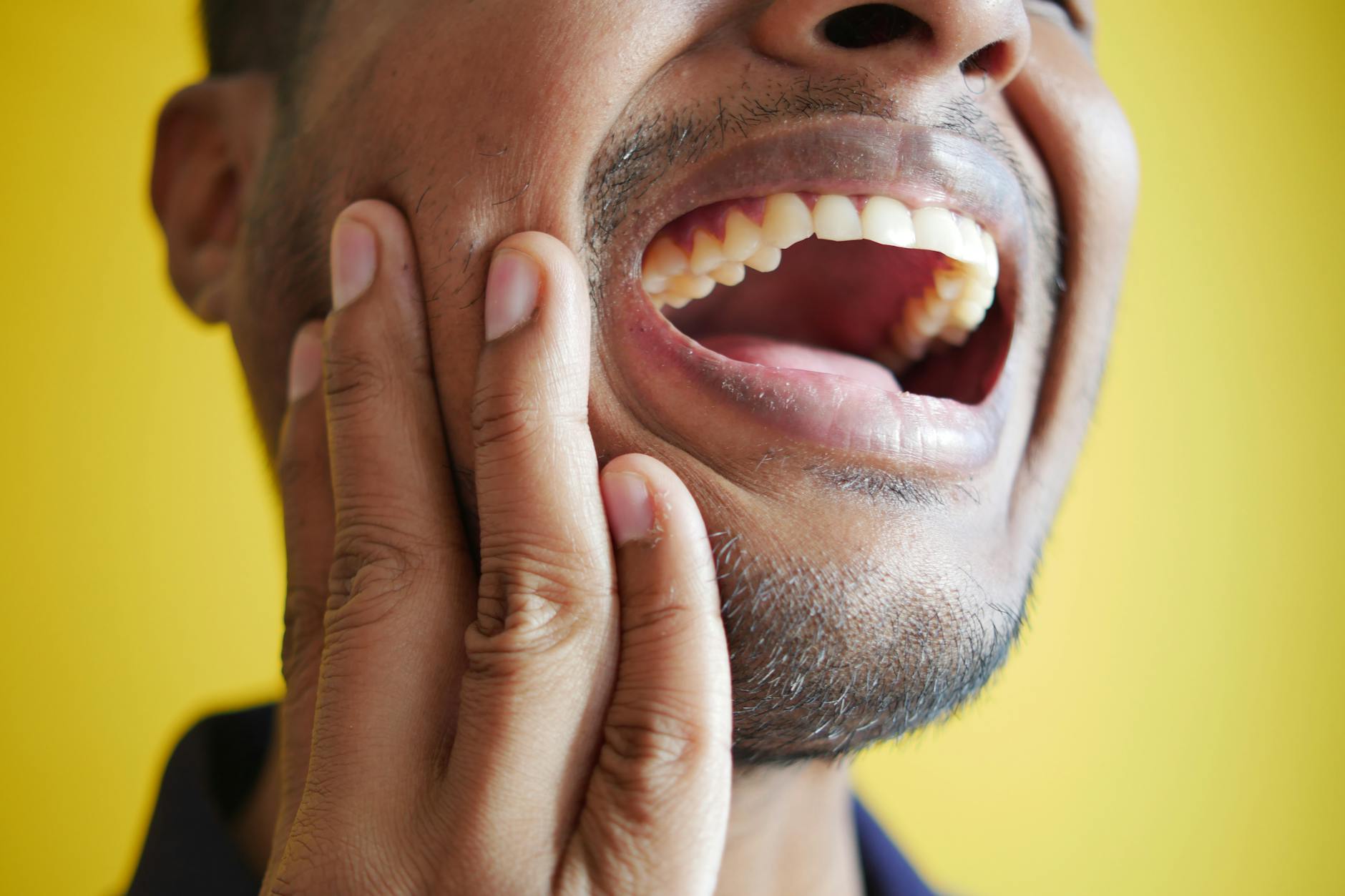
Safe, small steps can support both jaw comfort and neck alignment. These strategies are intended to complement professional care, not replace it. Start with gentle, non-demanding practices and avoid anything that sharpens pain or causes new symptoms.
- Adopt a relaxed jaw posture: teeth apart or resting together lightly with lips closed and tongue resting softly on the palate.
- Apply warmth to the jaw and neck area for comfort, or switch to cold packs if you notice swelling after activity.
- Perform slow, pain-free jaw and neck movements—avoid forceful stretches or wide openings that provoke pain.
- Check posture during daily tasks: keep the head over the shoulders, avoid slouching, and take regular micro-breaks to reset alignment.
- Adjust ergonomics at work or home: monitor height, chair support, and phone use to reduce forward head posture and jaw clenching.
- Limit hard chewing, gum, ice, or very chewy foods that demand excessive jaw effort.
- Incorporate gentle stress management: diaphragmatic breathing, short mindful breaks, and regular sleep routines.
- Use a supportive sleeping position and pillow that helps the neck stay in a neutral position.
Tip: Consistency matters. Small, daily habits—when practiced calmly—may contribute to gradual improvement in jaw and neck comfort over time.
What to expect during an evaluation

A careful evaluation aims to connect jaw function with neck posture in a collaborative, patient-centered way. A clinician will start with your history and daily patterns, then assess how the jaw moves, how the bite feels, and how the neck moves and supports the head. They may look for signs of muscle tension, joint noise, bite alignment, and posture-related contributors. In many cases, imaging is considered only if symptoms persist or red flags appear, and decisions are made through shared decision-making that respects your goals and daily life. For a broader overview of TMJ disorders, see external references such as the NIDCR TMJ page and reputable health resources.
The evaluation is not a one-size-fits-all approach. A skilled clinician will tailor recommendations to your movement patterns, daily activities, and treatment goals, emphasizing collaboration and informed choice.
Frequently asked questions

Q: Can jaw problems really cause neck symptoms, or is it usually the neck causing jaw pain? A: Both can occur, and they often influence each other. Shared muscles, nerves, and posture patterns can create a bidirectional relationship where jaw tension affects neck comfort and neck stiffness can influence jaw function.
Q: Do mouthguards or dental splints help neck symptoms as well as jaw problems? A: They may improve jaw function for some people, which can indirectly influence neck tension. Effectiveness varies, and a clinician typically reviews overall posture, muscle use, and breathing patterns in tandem.
Q: Should I change my daily routine before seeing a clinician? A: It can help to maintain relaxed jaw posture and avoid activities that provoke pain, but avoid drastic changes that could mask symptoms or cause new issues. A clinician can guide safe, gradual steps.
Q: Is neck stiffness always related to TMJ disorders? A: Not necessarily. Neck pain has many possible causes, including posture, muscle strain, or underlying conditions. An evaluation helps determine relevant contributors and appropriate care.
Practical summary
Putting these ideas into daily life can support both jaw function and neck alignment. The summary below offers practical steps you can try, with a reminder to seek professional care if symptoms persist or worsen.
- Keep the jaw at rest when possible; avoid clenching during activities and conversations.
- Use gentle mouth openings and closings within a comfortable range, avoiding forced movements.
- Check your posture during the day and set reminders to reset your head position over your shoulders.
- Incorporate light, safe jaw and neck movements daily, avoiding sharp pain or pinching sensations.
- Guard your sleep position with a pillow that supports the neck in a neutral alignment.
- Seek a professional evaluation if jaw or neck symptoms persist, intensify, or interfere with daily life.
If you have ongoing symptoms, consider connecting with a spine-health clinician who can tailor an integrated plan for jaw-neck alignment. A cautious, collaborative approach tends to support sustainable improvement, and timely professional input helps address both function and comfort. For credible guidance, visit reputable health resources and discuss options with your care team.