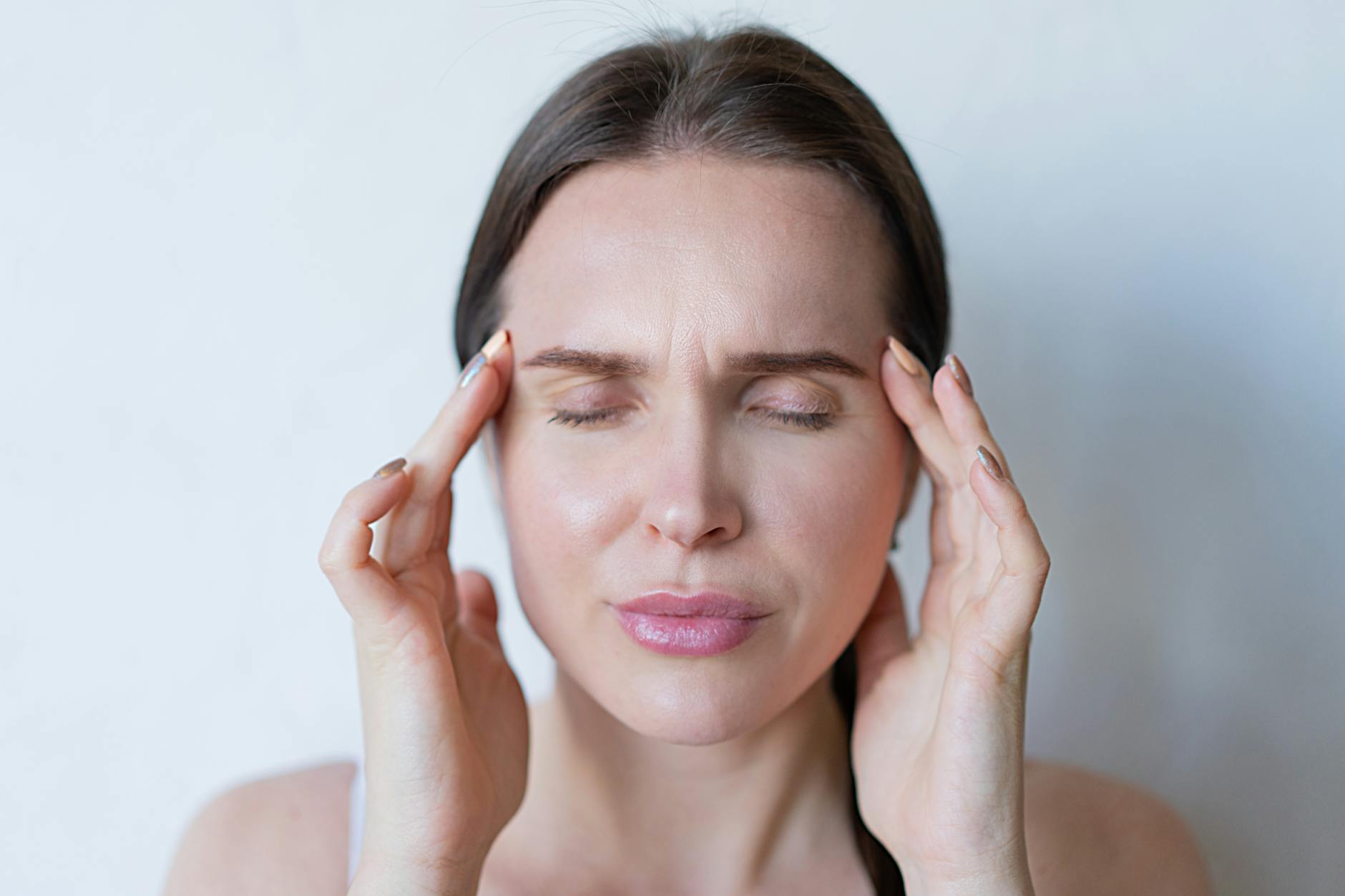
Headache experiences come in many forms, and distinguishing tension-type headaches from cluster headaches is important for choosing practical relief strategies. Tension-type headaches typically feel like a gentle, constant pressure or band around the head, often affecting both sides and lingering for hours. Cluster headaches, by contrast, are intensely painful and usually centered around one eye or temple, often accompanied by tearing, redness, or nasal congestion on the same side. The goal of this article is to help you recognize these patterns, identify common triggers, and explore holistic options you can responsibly try alongside professional care. By focusing on day-to-day routines and safe strategies, you may reduce the burden of symptoms and improve your quality of life without abandoning medical guidance.
In this guide, you’ll learn how triggers differ between tension-type and cluster headaches and how you can build a safe, day-to-day relief toolkit. We’ll cover practical home strategies, how a clinician evaluates headaches, and what to expect from care. The emphasis is on gentle, noninvasive approaches that support overall well-being while avoiding unfounded guarantees. If headaches are persistent, worsening, or accompanied by red-flag symptoms, a medical evaluation is important—especially if new patterns emerge or if you have a history of head injury or neurological symptoms.
Red flags: when to seek medical care

Most headaches are manageable with mindful self-care, but certain features warrant prompt medical attention to rule out more serious conditions. Sudden, severe onset—sometimes described as the worst headache of life—deserves immediate evaluation. Headache patterns that change abruptly, or headaches that wake you from sleep, may indicate a need for professional assessment. Neurological symptoms such as weakness, numbness, trouble speaking, confusion, vision changes, or a new headache after age 50 also merit timely care. If headaches follow a head injury, are accompanied by fever or neck stiffness, or are associated with a stiff neck, severe nausea, or vomiting, seek medical advice promptly.
- Severe, abrupt onset or thunderclap headache
- Headache with focal neurological symptoms (sudden weakness, speech difficulty)
- New headaches after age 50 or a noticeable change in pattern
- Headache following head injury or with fever, neck stiffness, or rash
- Persistent headaches lasting more than a few days without improvement
- Headache accompanied by vision changes, confusion, or personality change
When in doubt about a severe or sudden headache, seek prompt medical attention rather than assuming it will pass on its own.
What may help at home (safely)

Many people find relief through consistent daily routines and gentle self-care. The goal is to support nervous system balance, reduce muscle tension, and improve sleep and hydration without overreliance on medications. Below is a practical checklist you can adapt to your life. If you have a history of headaches, consider sharing these ideas with your clinician to tailor a plan that fits your needs.
- Maintain a regular sleep-wake schedule, aiming for consistent bedtimes and wake times
- Stay properly hydrated and eat balanced meals at steady intervals
- Prioritize posture and workstation ergonomics; take short breaks to stretch if you sit for long periods
- Practice daily stress-reduction techniques such as diaphragmatic breathing or mindfulness
- Engage in gentle, low-impact activity most days (e.g., walking, stretching, tai chi)
- Use heat for tense neck or shoulder muscles or a cold pack around the temples if tolerated
- Create a soothing home environment: dim lighting, quiet spaces, and reduced noise during flare-ups
- Avoid abrupt changes in caffeine or alcohol intake; keep intake steady if you know you are sensitive
- Track patterns in a simple journal to notice potential triggers and relief responses
Holistic relief often works best when combined with regular sleep, movement, and mindful breathing.
What to expect during an evaluation

A clinician will begin with a detailed history, noting the quality, location, duration, and pattern of your headaches, as well as anything that makes them better or worse. A physical examination helps identify tension in the neck or jaw, posture issues, or signs of muscle tightness. For tension-type headaches, imaging is not always required unless red flags are present or the pattern changes in significant ways. For suspected cluster headaches, a clinician may discuss the distinctive features and consider targeted tests to rule out other causes. The process emphasizes shared decision-making, balancing your preferences with safety and the best available professional guidance.
Evidence-based care often combines education, self-management strategies, and, when appropriate, specific medical therapies. You may find value in consulting with a headache specialist or a clinician experienced in spine and musculoskeletal care to ensure your approach integrates well with overall physical health. For credible framework and guidance, professional resources from reputable organizations can be helpful references as you plan next steps.
A careful history and physical exam often clarify the headache type and guide an effective, personalized plan.
Working with your clinician in an ongoing dialogue helps tailor safety, expectations, and goals to your everyday life.
Frequently asked questions

Q: Are tension-type headaches the same as migraines? A: They are usually described differently. Tension-type headaches tend to be bilateral and pressing, while migraines often involve unilateral throbbing pain with sensitivity to light or sound. Both can share triggers, but they are typically distinguished by characteristic features and accompanying symptoms.
Q: What triggers cluster headaches? A: Cluster headaches may have circadian or seasonal patterns and can be triggered by certain factors in some people, such as alcohol or sleep disruptions, though triggers can vary widely between individuals.
Q: Can I use home remedies for cluster headaches safely? A: Some gentle, noninvasive approaches may help some people, but cluster headaches often require medical management. Always discuss home strategies with a clinician, especially if headaches are frequent or severe.
Q: When should I seek urgent care? A: Seek urgent care for a sudden, severe headache, a new headache after a long period of stability, or headaches with new neurological symptoms, fever, neck stiffness, or confusion.
Practical summary
- Describe your headache pattern to a clinician, including location, intensity, and duration
- Differentiate tension-type features (bilateral, pressing pain) from cluster features (unilateral, intense, with eye symptoms)
- Establish a consistent daily routine for sleep, meals, and hydration
- Incorporate safe home strategies such as posture adjustments and gentle activity
- Engage in shared decision-making with your clinician about treatments and goals