Post-Concussion Syndrome (PCS) describes a cluster of symptoms that may linger after a concussion, including headaches, dizziness, cognitive fog, sleep disruption, and sensitivity to light or noise. For many people, recovery is gradual and non-linear, which can be frustrating and affect daily life, work, or school. Gentle interventions, ongoing reassurance, and coordinated care play a central role in managing PCS. This article explains how chiropractic care can fit into a conservative, patient-centered recovery plan, emphasizing safety, individual pacing, and collaboration with medical providers.
Readers will learn how to recognize when symptoms stabilize enough for home management, what to expect from an evaluation by a chiropractor experienced with concussion care, and practical, day-to-day steps that support recovery without overdoing activity. The guidance emphasizes gentle, non-forceful approaches, clear communication with your healthcare team, and a plan that evolves with your tolerance. By prioritizing safety, gradual progression, and personal goals, you can navigate PCS with confidence and clarity.

Red flags: when to seek medical care

Immediate medical attention is needed if you have new or worsening symptoms after head injury, such as weakness or numbness, confusion, persistent vomiting, severe neck pain, vision changes, seizures, or loss of consciousness.
- Severe neck pain or numbness/weakness in arms or legs that worsens
- Sudden confusion, slurred speech, or trouble waking up
- Repeated vomiting or an inability to keep fluids down
- Seizures or notable changes in behavior or personality
- New double vision, severe headache, or worsening dizziness
- Loss of consciousness lasting more than a few seconds, or amnesia about the event
- Neck stiffness with fever or severe headache that is not improving
What may help at home (safely)
Note: Home strategies are supportive and should align with your clinician’s guidance; do not replace professional care.
- Rest as needed early after injury and gradually resume activities as tolerated
- Follow a regular sleep schedule and prioritize restorative sleep
- Stay hydrated and eat a balanced, anti-inflammatory-friendly diet
- Limit high-stimulation screens and take regular breaks from devices
- Engage in light neck and shoulder mobility if tolerated, avoiding pain or dizziness
- Use pacing: plan activities with built-in rest to avoid fatigue
- Avoid activities with a high risk of head impact until cleared
- Coordinate any home exercise plan with your chiropractor or physician
- Review medications or supplements for potential side effects with a clinician
- Ask for help with daily tasks to reduce stress during recovery
What to expect during an evaluation

The evaluation aims to assess safety, symptom burden, and functional limits through a collaborative process that respects your goals and values.
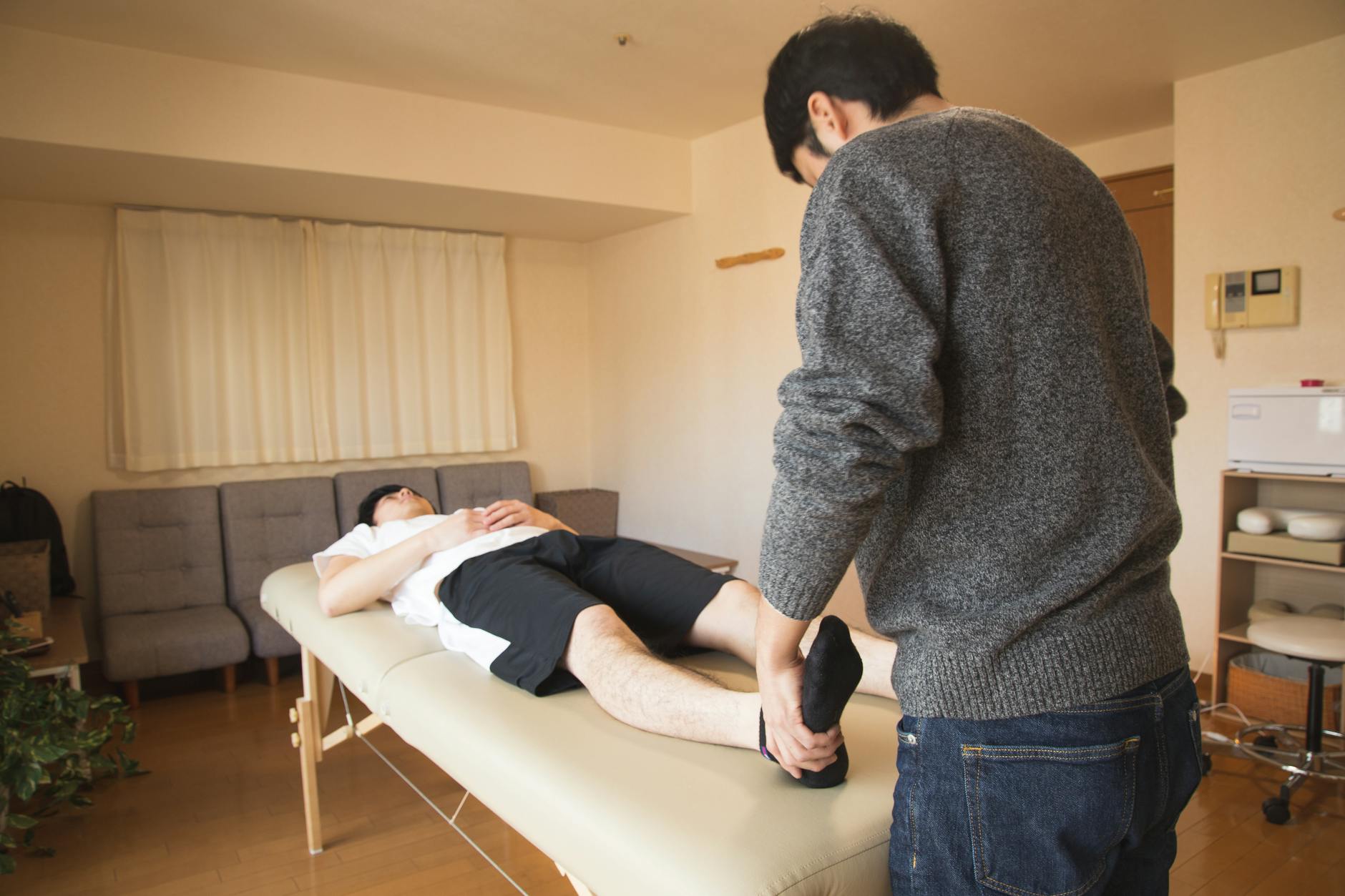
During an initial visit, a chiropractor experienced with concussion care will start with a detailed history to understand how symptoms began, their trajectory, triggers, sleep patterns, mood, and prior injuries. A careful review of red flags helps determine whether immediate medical testing or referral is needed. The physical examination often focuses on the neck and upper spine, sensory and balance checks, and a light assessment of posture and movement tolerance. Imaging is considered only if there are persistent, unusual signs or red flags, or if symptoms do not align with a typical recovery pattern. Shared decision-making and clear communication about expectations are central to planning the next steps.
In PCS, the goal is to tailor interventions to tolerance and goals, not to force a rapid recovery. Gentle manual therapies, targeted rehabilitation exercises, and education about posture, ergonomics, and activity pacing may be included if they align with safety guidelines and the patient’s response. The plan may evolve over time, with regular check-ins to adjust intensity, frequency, and focus. Importantly, chiropractors coordinate with other health professionals to ensure a cohesive, patient-centered approach.
Frequently asked questions

These FAQs provide general guidance and may not apply to every individual situation. Always consult your clinician for personalized advice.
- Is chiropractic care safe after a concussion? Generally, it can be safe when delivered by trained professionals and coordinated with medical care. Acute-phase manipulations are often avoided, and care emphasizes gradual, symptom-guided approaches.
- Will chiropractic care cure Post-Concussion Syndrome? No. PCS is variable, and there is no universal cure. The aim is symptom management, safer activity, and restoration of daily function.
- Should I start chiropractic care right away after a concussion? Immediate treatment decisions should come from your medical team. After clearance, gentle, individualized chiropractic care may be considered, with close monitoring for changes in symptoms.
- What modalities might be used? Options may include gentle soft tissue work, mindful cervical or thoracic mobilization, posture and movement education, balance and gait training, and patient-directed home exercises, all tailored to tolerance and safety.
Practical summary
- Coordinate with your healthcare team to identify goals and safe activity progression.
- Follow a graded activity plan that respects symptoms and recovery pace.
- Engage in gentle, chiropractor-guided therapies and rehab exercises that fit your tolerance.
- Keep a simple diary of symptoms, triggers, and responses to activities and treatments.
- Schedule regular follow-up evaluations to adjust the plan as needed.
- Seek urgent medical care if red flags or new concerning symptoms occur.
If you are considering chiropractic care as part of PCS management, prioritize safety, open communication with your medical team, and a plan that respects your pace. For ongoing concerns or if symptoms persist or worsen, consult a licensed healthcare professional for a comprehensive evaluation and guidance tailored to you.