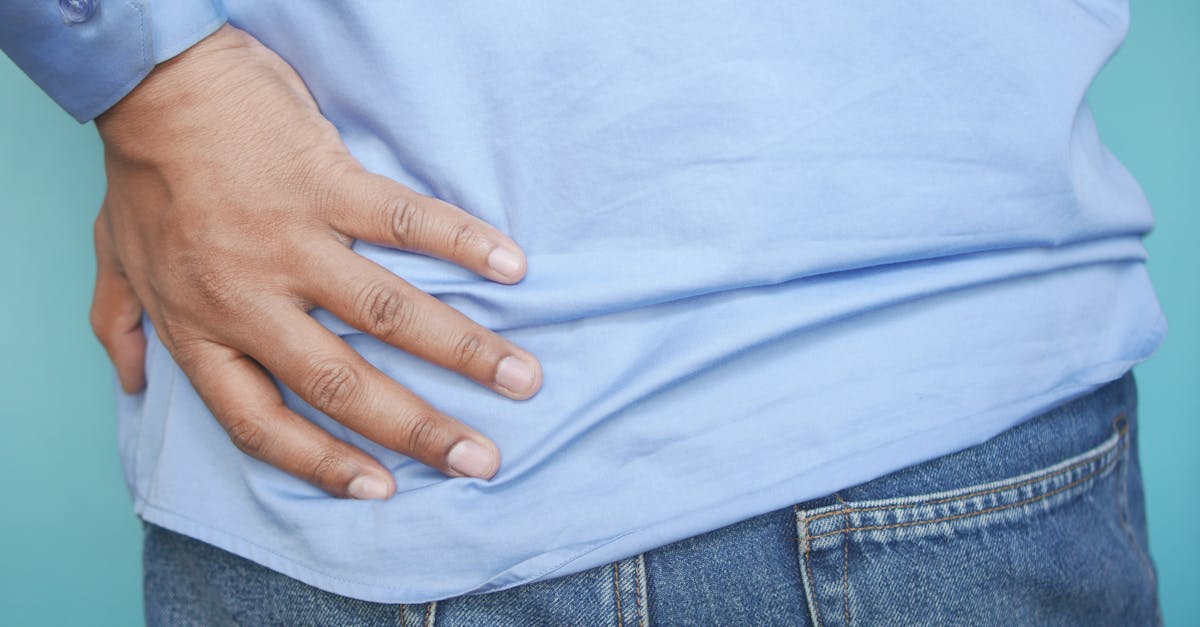
<pHip bursitis and hip labral tears are two common sources of hip pain, yet they sit in different corners of the joint and often mimic one another. For many readers, distinguishing between them can feel challenging, because both conditions can produce deep ache, stiffness, or discomfort with walking or bending. This article helps you recognize typical patterns, understand what you can safely try at home, and know what to expect when you see a clinician. The goal is practical, day-to-day guidance that supports informed conversations with your healthcare team and helps you decide if and when imaging or a formal evaluation is warranted.
<pIn the pages that follow, you’ll learn how pain location, timing, and accompanying symptoms can point toward bursitis versus a labral tear. You’ll also find a succinct home-care checklist, a clear outline of what happens during an evaluation, and a question-driven FAQ to ease the process of getting help. Importantly, this information is educational and not a substitute for professional medical advice. If you have ongoing hip pain, consider scheduling an evaluation with a clinician who can tailor recommendations to your specific situation.

Red flags: when to seek medical care
Urgent care should be sought if you experience severe hip pain with fever, swelling, deformity, or an inability to bear weight, especially after a fall or injury.
While many hip pains improve with conservative care, certain signs warrant prompt clinical review. Severe or sudden hip pain after trauma, persistent weight-bearing difficulty, numbness or weakness in the leg, fever or chills with hip swelling, or night pain that disrupts sleep may indicate infection, fracture, or an inflammatory process requiring evaluation and potentially imaging. If you notice a rapid increase in redness, warmth, or swelling around the joint, seek urgent care. These red flags help differentiate a self-limiting overuse pattern from a condition that needs timely treatment.
Pain located primarily on the outside of the hip (the greater trochanteric region) that worsens with activity, climbing stairs, or lying on the affected side is common with bursitis but can overlap with labral issues. If you also experience instability or new weakness in the leg, or if pain radiates toward the knee and limits function, mention these during your visit. Clinicians use your history and tests to guide whether imaging or a referral is needed. For reliable, patient-centered guidance, see reputable sources on hip pain evaluation.
What may help at home (safely)
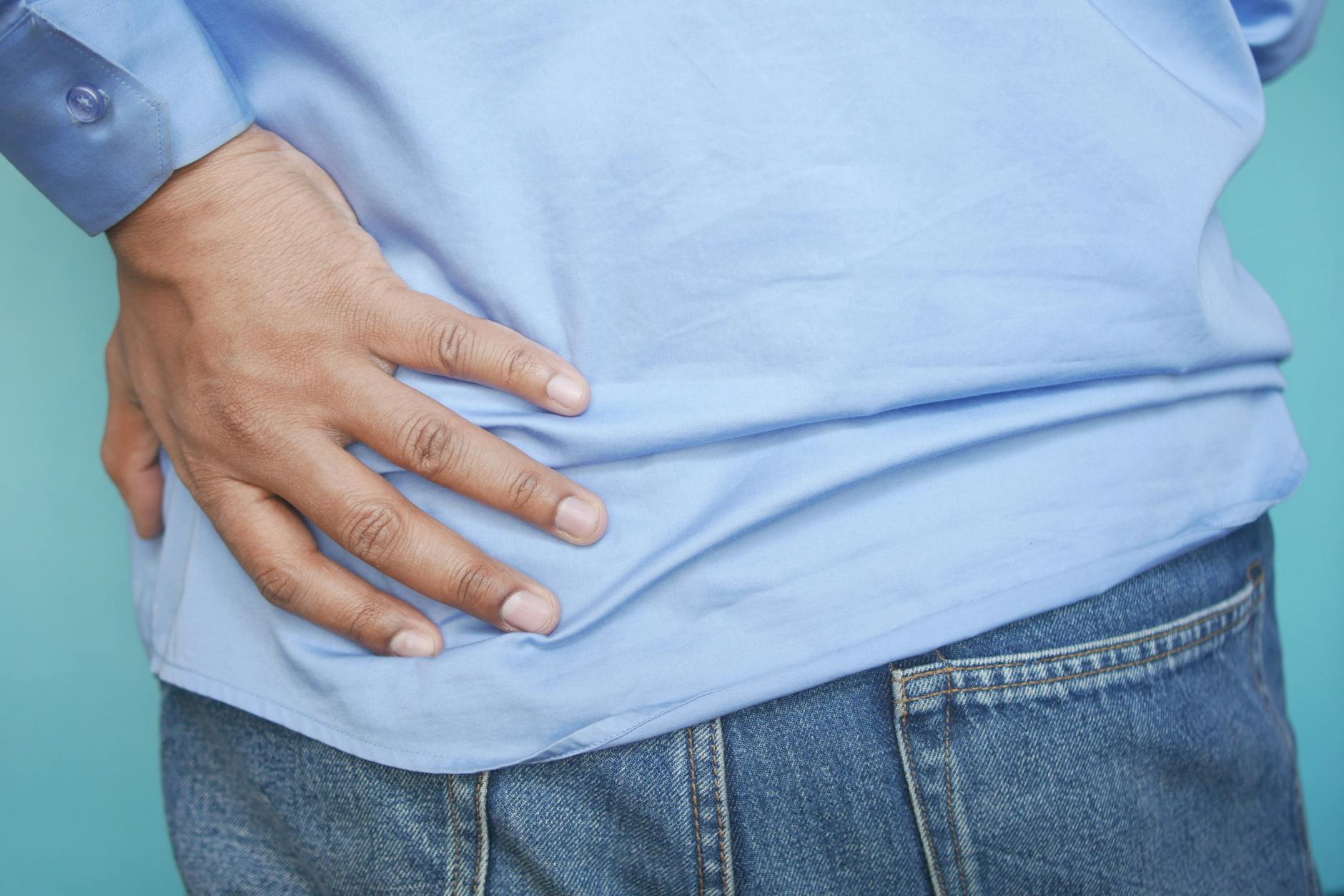
Safe self-care emphasizes noninvasive steps and gradual return to activity, with attention to how your hip responds.
The following steps are generally considered safe and may help reduce symptoms while you determine the appropriate next steps. Use them as a starting point and stop any activity that increases sharp pain or can’t be tolerated.
- Rest from high-impact activities that irritate the hip, especially if you notice a sharp flare after running or jumping.
- Apply ice to the outer hip for 15–20 minutes several times a day during the first 48–72 hours, then as needed for easing inflammation.
- Consider heat after the first few days if the hip feels stiff or painful with movement, but avoid heat if there is new swelling.
- Engage in gentle range-of-motion exercises that do not provoke sharp pain, such as slow leg swings within a comfortable arc.
- Incorporate low-impact activities (like swimming or stationary cycling) as tolerated to maintain fitness without overloading the joint.
- Progress into a supervised strengthening program focused on the hips and pelvis, especially the gluteal muscles, as pain allows.
- Stretch carefully to address tight hip flexors, glutes, and inner thigh muscles, avoiding positions that provoke joint pain.
- Use supportive footwear and consider a small but steady weight-management plan if body weight contributes to hip load.
- Maintain good sleep posture and avoid positions that compress the hip joint during the night.
What to expect during an evaluation

A thoughtful evaluation combines your story with a careful exam and, when needed, imaging, all within a shared decision-making process.
During an initial visit, a clinician will typically gather a detailed history: when the pain started, how it presents (location, intensity, triggers), and what activities worsen or relieve it. A physical examination assesses hip range of motion, symmetry, gait, and specific provocative maneuvers to differentiate bursitis from a labral tear. Common tests may include movements that stress the hip joint in different directions, as well as a check for signs of referred pain.
Imaging decisions depend on your exam and symptoms. X-rays may be ordered to look for arthritis or acute bone injury, while MRI or MR arthrography is more informative for soft-tissue problems like bursitis extent or a labral tear. It’s important to remember that imaging is part of the story, not the whole story—clinical judgment and shared decision-making guide next steps. For readers seeking deeper context, reputable sources discuss how clinicians use history, physical findings, and imaging to separate bursitis from labral pathology.
In many cases, clinicians emphasize a cautious, stepwise approach: confirm the most likely cause, address modifiable factors, and monitor response to targeted therapies. If uncertainty remains, a referral to a spine or hip specialist may be considered for further evaluation and tailored treatment options. See patient-focused resources for how hip pain is evaluated in routine clinical practice.
Frequently asked questions

Question-driven exploration helps you understand what to expect and what to discuss with your clinician.
Q1: Where is the pain typically felt with each condition? A1: Bursitis usually causes lateral hip pain near the outer pelvis, while a labral tear more often presents as groin or anterior hip pain and may be accompanied by a clicking or locking sensation.
Q2: Can bursitis and labral tears occur together? A2: Yes. These conditions can coexist, and one problem may influence symptoms of the other, which is why a thorough exam and appropriate imaging are helpful.
Q3: Do imaging tests always show the problem? A3: Imaging helps confirm or rule out certain causes, but soft-tissue injuries or early degenerative changes may not be obvious on X-rays; MRI-based tests are more informative for soft tissues like the labrum.
Q4: How quickly should I expect relief after starting treatment? A4: Recovery timelines vary. Some individuals notice improvement with activity modification and targeted exercises within weeks, while others may require a longer rehabilitation plan or specialist care if symptoms persist.
For additional reading and clinical guidance, you can consult well-known sources that summarize evaluation approaches and treatment options for hip pain, including labral tears and bursitis. These resources emphasize patient education and collaborative decision-making with your care team.
Practical summary
Key takeaways can guide your next steps and help you talk with your clinician.
- Differentiate by pain pattern: lateral hip pain more typical of bursitis; groin or anterior hip pain with possible mechanical symptoms suggests a labral tear.
- Note triggers and timing: activity-related increases and sharp, localized discomfort can aid interpretation, but overlaps exist.
- Start with safe home care: rest, ice, gentle movement, and low-impact exercise as tolerated, avoiding provocative positions.
- Seek timely care for red flags: fever, swelling with warmth, inability to bear weight, or abrupt deformity after trauma.
- Expect a stepwise evaluation: history, physical exam, and selective imaging guide diagnosis and treatment choices.
- Partner with your clinician: discuss goals, potential tests, and rehabilitation plans to tailor a path forward.
- Monitor progress and decide on next steps together: if symptoms persist despite conservative care, consider referral or specialist involvement for advanced options.