
Frozen shoulder, formally known as adhesive capsulitis, is a condition marked by progressive shoulder stiffness and ache that can make everyday tasks like reaching overhead, dressing, or lifting objects feel challenging. It often unfolds over time in phases, with motion loss that may start subtly and gradually become more noticeable. While the exact trigger isn’t always clear, factors such as age, metabolic conditions, and past shoulder problems can raise the likelihood of developing this condition. Knowing how it tends to behave helps people plan safe, gradual steps to protect mobility rather than forcing movement too soon.
In this article, you’ll learn about common causes and risk factors for adhesive capsulitis, how to recognize when it’s reasonable to seek care, and practical mobility exercises you can perform safely at home. You’ll also find guidance on what to expect during an evaluation with a clinician, plus a simple plan you can share with your care team. The aim is to support steady improvement without promising rapid cures or overlooking the value of professional guidance when symptoms are persistent or worsening.

Red flags: when to seek medical care

Seek timely help if you notice sudden weakness, severe night pain, joint swelling, fever, or a fall with new inability to move the arm.
Adhesive capsulitis typically progresses gradually, but there are signs that warrant medical evaluation sooner rather than later. A sudden change in shoulder control, new numbness radiating down the arm, or pain that awakens you at night may signal a condition other than classic adhesive capsulitis or a complication that requires prompt assessment. In these cases, a clinician can help determine whether additional tests are needed and guide appropriate next steps so you don’t delay potential treatment options.
For many people, the approach centers on preserving mobility, reducing pain, and aligning daily activities with a sustainable plan. If you have a medical history such as diabetes or thyroid issues, you may notice differences in how stiffness develops, so sharing that history with your clinician can support a personalized approach that fits your life.
What may help at home (safely)
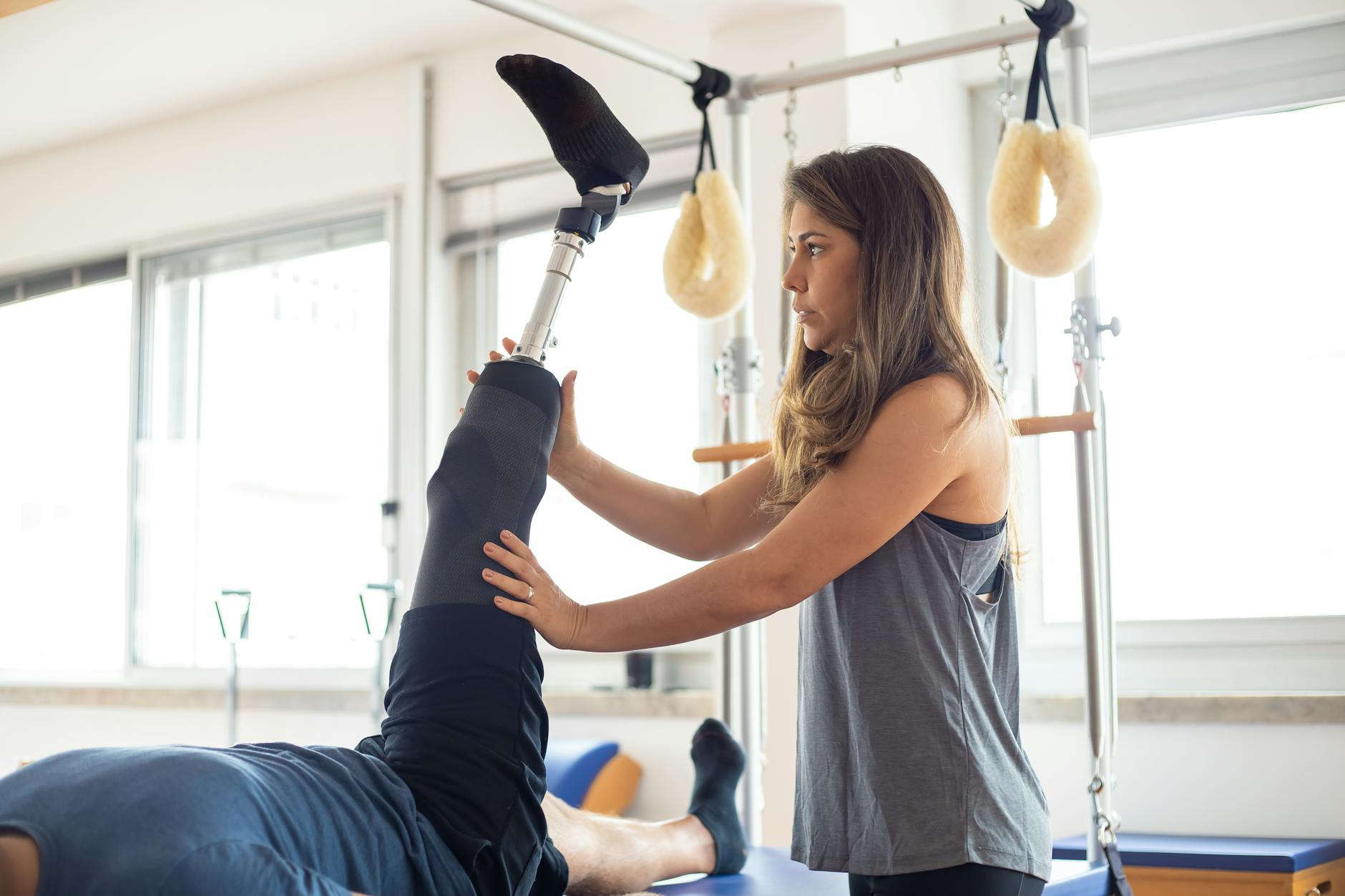
Gentle, consistent movement can help maintain motion; avoid forcing painful ranges or pushing through sharp pain.
- Pendulum exercises: lean forward with the good arm resting on a table, let the affected arm hang, and gently swing it in small circles or back-and-forth motions to passively move the joint without forcing range.
- Towel slide or belt-assisted reach: hold a towel or strap with both hands behind the back or at waist level to help the affected arm glide upward along a wall or across the body.
- Finger walking along a wall: stand facing a vertical surface and slowly “walk” the fingers upward and outward to increase motion while keeping the shoulder relaxed.
- Cross-body stretch with a strap or towel: use the unaffected arm to gently pull the affected arm across the chest, feeling a light stretch in the outer shoulder without pain flares.
- Doorway stretch for gentle external rotation: place the forearm on a door frame and slowly lean forward to stretch the front and outer shoulder, stopping before pain peaks.
- Gentle active-assisted ROM: with guidance from a clinician or caregiver, perform slow, supported movements to maintain joint mobility while avoiding aggressive or painful attempts.
- Heat before exercise and a light cool-down: a warm shower or heat pack can help loosen tissues before moving; finish with a comfortable cool-down to reduce stiffness.
What to expect during an evaluation

A collaborative evaluation helps set realistic goals and outlines the next steps, with clear discussion of options and limits.
During an initial assessment, a clinician typically checks how far the shoulder can move in different directions and notes strength, posture, and how the shoulder blade coordinates with arm motion. They may ask about daily activities, prior injuries, and relevant medical conditions. Imaging or additional tests are not always required, but they may be used to rule out other problems if the presentation is unusual or lingering. Shared decision-making is central to tailoring a plan that may include supervised therapy, home exercises, injections, or, in rare cases, other interventions if conservative care does not provide relief.
Frequently asked questions

Q: What causes frozen shoulder? A: The exact cause is not always clear, but an inflammatory process that tightens the joint capsule is often involved, with risk factors such as age and certain health conditions that may influence how it develops. It typically progresses in stages over time.
Q: How long does it last? A: The course varies by person, but many individuals experience a gradual timeline that spans several months. Improvement tends to come with consistent, appropriate movement and guidance, though pace depends on individual factors and comorbidities.
Q: Do I need injections or surgery? A: Most people improve with conservative care like physical therapy and careful home exercises. Injections or surgical options may be considered if pain and stiffness persist despite standard treatment or if daily functioning remains significantly affected; a clinician can help weigh risks and benefits.
Q: Can movement make it worse? A: The goal is to move gently and consistently to maintain mobility. Do not force painful ranges or push through sharp pain. If new or worsening pain appears, pause and consult your clinician for guidance.
Practical summary
Practical steps you can take now to support shoulder mobility and comfort.
- Know that adhesive capsulitis may progress in phases, with gradual improvements possible over time.
- Move mindfully: use safe, gentle exercises and avoid forcing your shoulder beyond a comfortable range.
- Keep lines of communication open with your care team and share daily impact and goals transparently.
- Monitor red flags and seek timely care if symptoms change suddenly or worsen significantly.
- Work with a clinician or physical therapist to personalize progression and align home exercises with daily life.
If symptoms persist or you’re unsure about the best approach, consider scheduling an evaluation with a spine health clinician to tailor a plan that fits your needs and activities.