Dupuytren’s contracture and trigger finger are two common hand conditions that can limit finger movement and daily function, yet they arise from different tissues and have distinct treatment paths. Dupuytren’s contracture involves thickening of the palmar fascia in the palm, which may gradually pull one or more fingers into a bent position. Trigger finger occurs when a tendon pulley in the finger becomes irritated or narrowed, causing the finger to catch, snap, or lock during bending or straightening. Both conditions can affect grip, dexterity, and pain levels, but the approach to care centers on accurate diagnosis, realistic goals, and stepwise therapy tailored to how the condition affects your life. This guide will help you recognize the differences, learn practical management options, and navigate conversations with your clinician.
Throughout this article, you’ll learn how clinicians distinguish between these conditions, what kinds of treatments are commonly considered first, and how to balance at‑home care with professional care. We’ll also cover warning signs that warrant prompt evaluation and offer a practical, patient‑friendly checklist you can discuss with your care team. The aim is clear, cautious guidance that supports shared decision‑making and helps you set achievable expectations for function and comfort over time.
Red flags: when to seek medical care
Most cases of Dupuytren’s contracture and trigger finger progress slowly, but certain signs deserve timely evaluation. If you notice a rapidly worsening bend in a finger, new or increasing numbness or tingling, a sudden change in color or warmth of the hand, or if a finger locks and you can’t straighten it with gentle effort, seek a professional assessment. Infections, severe swelling after an injury, or intense pain that persists beyond a few days also warrants medical attention. Early evaluation helps clarify what is happening, set expectations, and discuss appropriate treatment options before stiffness or locking becomes more limiting.
Early assessment can help protect strength and range of motion, and guide decisions about monitoring versus treatment.
Additionally, if you have underlying conditions that affect the hand, such as diabetes or inflammatory diseases, or if you perform repetitive gripping tasks for work, a clinician may consider these factors when planning management. While not all symptoms require immediate intervention, a professional check‑in can help you understand whether observation, conservative care, or a procedure is best suited to your goals.
Remember that this section is about guidance, not a substitute for a personal evaluation. If you’re unsure, scheduling a hand or orthopedic specialist visit is a prudent next step.
What may help at home (safely)
Many people find practical, low‑risk measures helpful as they wait for formal assessment or while pursuing conservative care. The following checklist focuses on safety, movement, and strategies to reduce irritation without overloading the affected tissues. Always align home care with your clinician’s recommendations, especially if you have other hand conditions or limitations.
- Engage in gentle, everyday hand and finger range‑of‑motion exercises for 5–10 minutes daily, avoiding forceful bending or pinching.
- Use warm soaks or a warm compress before light activities to ease stiffness and promote comfortable movement.
- Avoid repetitive, strenuous gripping or heavy lifting with the involved hand, and switch to ergonomic tools with soft grips when possible.
- Incorporate simple hand‑therapy techniques such as light massage around the palm and fingers, being careful to avoid deep pressure on cords or tendons.
- Maintain a daily diary of symptoms, noting any catching, locking, or changes in range of motion to share with your clinician.
- Protect the hand in cold weather and use cushioning or splinting as advised by a clinician to minimize aggravation during activities.
- Apply over‑the‑counter pain relief only if recommended by a healthcare professional and in accordance with product labeling.
- During flare‑ups, rest the hand and prioritize adaptations at home and work to reduce functional loss while you seek a formal evaluation.
These steps are practical starting points and do not replace a personalized plan. If symptoms worsen or you notice new limitations, book a professional assessment to discuss targeted therapies.
What to expect during an evaluation
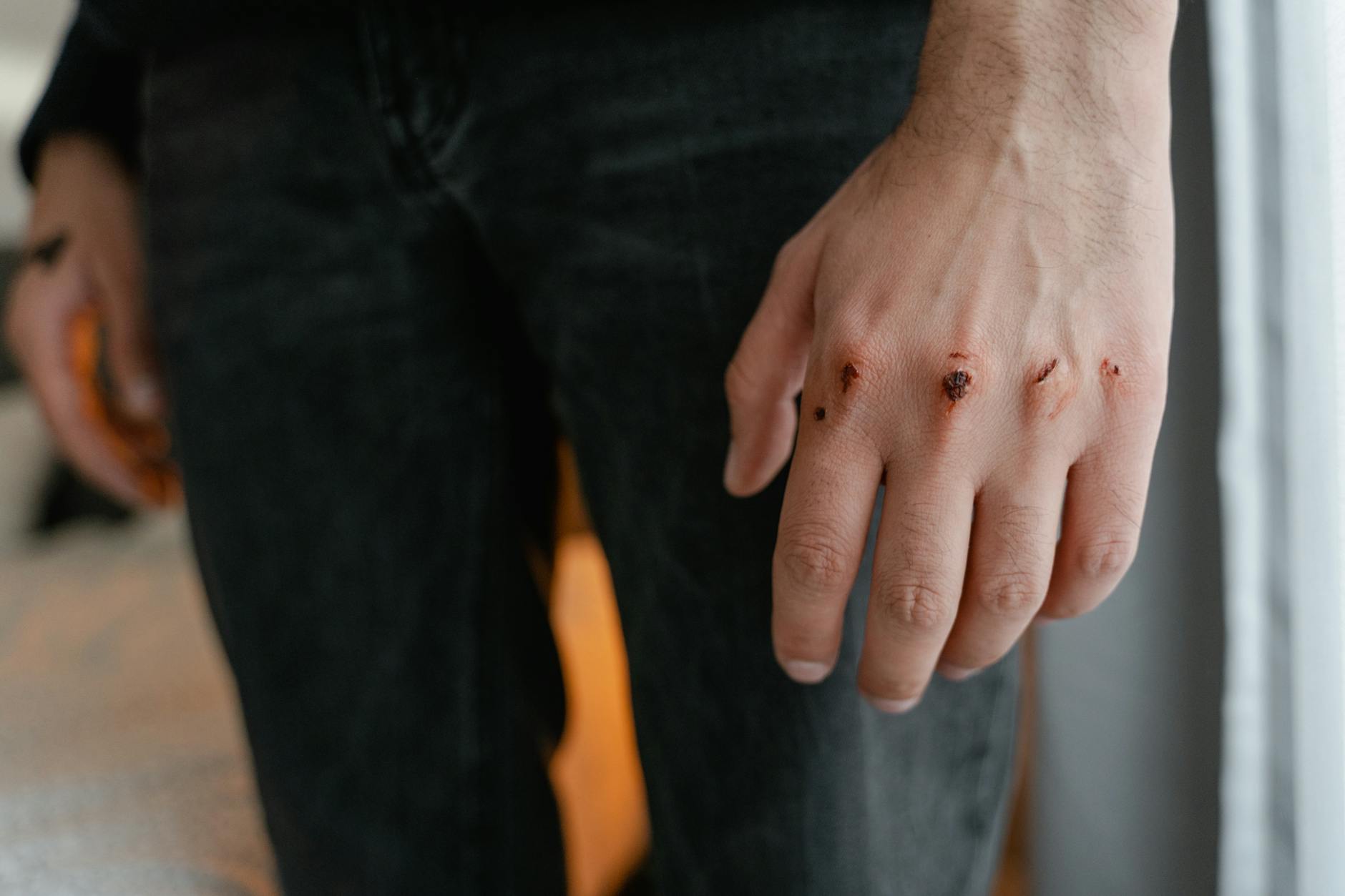
A typical evaluation begins with a careful history: when symptoms started, how they progress, and how they affect daily tasks such as gripping, gripping a coffee mug, tying shoes, or buttoning clothing. The clinician will examine the hand, palpate the palm for nodules or cords in Dupuytren’s disease, and assess finger movement, stiffness, and any locking or triggering in the affected digits. Simple bedside maneuvers—like how easily a finger can be straightened with the palm resting on a surface—helps distinguish Dupuytren’s from trigger finger.
Shared decision‑making means your values, daily activities, and goals are part of the plan, not just the clinician’s recommendation.
Imaging is not always required, but ultrasound or other imaging may be used selectively to better characterize tissue changes when the diagnosis is unclear or to plan a procedure. The treatment discussion generally covers the severity of contracture or triggering, the location of cords or pulleys, functional priorities (such as grasp strength or finger straightening), and any medical considerations that might influence therapy choices. Importantly, clinicians will discuss the limits of each option, including potential recovery times and risks, to support an informed, collaborative decision.
Differences between Dupuytren’s Contracture and Trigger Finger

Dupuytren’s contracture and trigger finger have distinct pathophysiologies and clinical courses. In Dupuytren’s, the problem lies in the fascia of the palm where fibrous tissue forms cords that gradually pull fingers toward the palm, often affecting the ring and little fingers. Movement may be preserved early on, but progressive bending can reduce hand function, especially for gripping and releasing objects. In trigger finger, the obstruction occurs at the level of the tendon pulley system in the fingers, causing a catching, locking, or snapping sensation during flexion and extension. The finger may feel stiff in the morning and gradually improve with movement or may progressively lock in a bent position if not addressed.
How these conditions are treated also diverges. Dupuytren’s management ranges from observation in very mild cases to procedures that physically release or remove the contracted tissue. Therapies include enzyme injections, needle procedures to release cords, or surgical fasciectomy in more advanced cases. Trigger finger often begins with non‑surgical approaches such as rest, activity modification, hand therapy, or corticosteroid injections; surgery to release the pulley is considered if symptoms persist or significantly limit function. The goal in both conditions is to restore smooth finger movement and improve hand function, but the path to that goal differs in tissue targets and intervention strategies.
Understanding the two conditions helps you and your clinician tailor treatment to your daily needs and activity goals.
Frequently asked questions
Q: How can I tell Dupuytren’s contracture from trigger finger just by my symptoms?
In Dupuytren’s, you typically notice a slow, progressive bending of one or more fingers due to cords in the palm. In trigger finger, the problem is a catching or locking sensation as a finger bends, often with a visible or palpable pulley thickening near the finger base. A clinician assesses movement, palpates tissue in the palm and fingers, and may perform simple tests to distinguish the pattern of restriction.
Q: Is surgery always necessary?
A: Not always. Many cases begin with non‑surgical options or observation, especially if symptoms are mild or not functionally limiting. For Dupuytren’s, some people may not require intervention for years, while others may opt for a procedure to release cords. For trigger finger, injections or splinting may suffice, with surgery as a later option if symptoms persist or recur.
Q: Are there non‑surgical options that are effective?
A: Yes. For both conditions, conservative approaches such as activity modification, hand therapy, and targeted injections are commonly used. The effectiveness varies based on the severity and individual factors. A clinician can help determine whether a non‑surgical plan aligns with your goals and daily needs.
Q: How long does recovery take after a procedure?
A: Recovery depends on the procedure and the tissue involved. Some patients regain function quickly with guided therapy, while others require a period of immobilization and gradual rehabilitation. Your clinician will provide a tailored timeline and rehabilitation plan based on your specific treatment choice.
Practical summary
Below are practical takeaways to help you translate the information into daily decisions and discussions with your care team.
- Identify the pattern: palmar cords with progressive bending suggests Dupuytren’s; finger catching or locking points to trigger finger.
- Seek evaluation if you notice persistent, progressive loss of finger straightening or frequent locking that interferes with daily tasks.
- Discuss all options with your clinician, including conservative care, injections, and surgical release, and ask about recovery expectations.
- Ask about the role of hand therapy and whether a referral to a specialized hand therapist would be helpful.
- Consider the impact on daily activities and work tasks when weighing treatment choices and potential downtime.
- Follow a personalized plan that includes home exercises, activity modifications, and a clear timeline for reassessment.