
Chiropractic care and Pilates complement each other for core strength and posture by addressing how the spine moves, how the core stabilizes the body, and how daily habits influence alignment. Chiropractors typically focus on alignment, joint mobility, and nervous-system function, while Pilates teaches mindful breathing, controlled activation of the deep abdominal muscles, and precise movement patterns. When integrated thoughtfully, these approaches can support healthier posture, reduce compensatory strain, and improve function in everyday activities. This evergreen guide explains how chiropractic care and Pilates work together for core strength and posture, what to expect in practice, and practical steps you can begin today with professional guidance.
In this article you’ll learn how to coordinate care between a chiropractor and a certified Pilates instructor, how to choose safe exercises, how to listen to your body, and how to structure a gentle progression that respects your spine. You’ll find practical guidance for safe home practice, clear expectations for an evaluation, and a simple framework for ongoing collaboration with your care team. The focus is practical, cautious, and relevant to a broad range of spine health needs, with emphasis on gradual improvement and joint-friendly movement.
Red flags: when to seek medical care

Recognizing warning signs that may require prompt professional assessment helps you avoid delays in care and protects your spine from worsening symptoms.
“Recognize warning signs that require prompt professional evaluation rather than self-treatment.”
- New or increasing weakness, numbness, or tingling in the legs or arms that does not improve with rest.
- Severe, unrelenting back or neck pain that wakes you at night or limits function.
- Recent trauma with new symptoms, such as after a fall or accident.
- Fever, unexplained weight loss, or signs of infection with spinal pain.
- History of cancer, osteoporosis, prolonged steroid use, or immune compromise with spine pain.
- Loss of bowel or bladder control or numbness around the saddle region, or new numbness in the groin area.
What may help at home (safely)
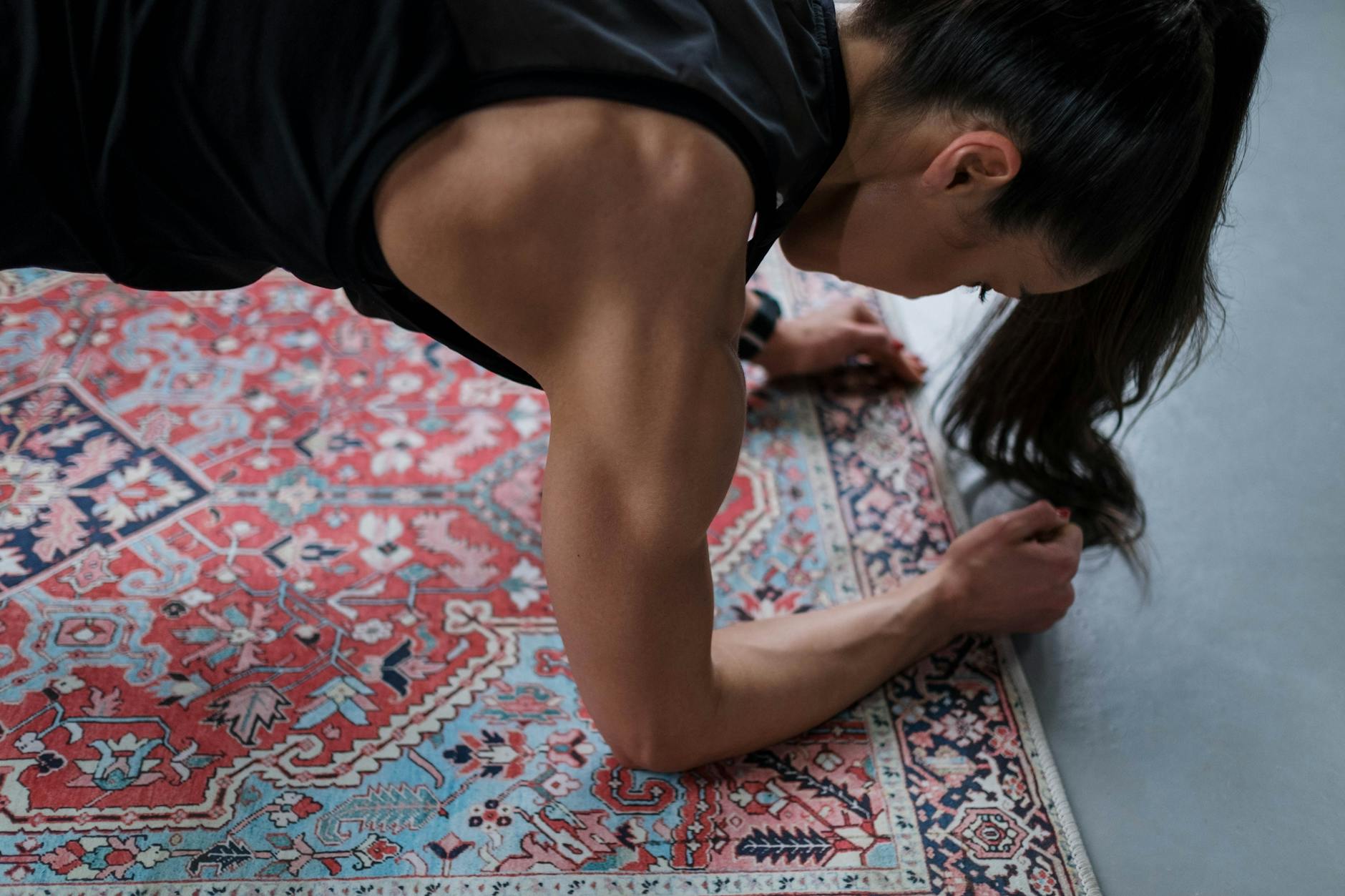
Many people benefit from safe, spine-friendly habits that support core strength and posture between professional visits. Start with small, consistent steps and stop if you experience new or worsening pain.
“Consistency and mindful practice are the twin keys to translating cues into enduring postural changes.”
- Engage in brief, daily Pilates-informed core activation that emphasizes steady breathing and neutral spine alignment.
- Practice gentle, controlled movements that improve mobility without provoking sharp pain.
- Monitor posture during daily tasks: sitting tall, standing with even weight distribution, and moving with the spine in a neutral position.
- Incorporate ergonomic adjustments at workstations and in your home environment to support spinal health.
- Hydrate adequately and maintain balanced nutrition to support tissue health and recovery.
- Progress gradually: increase duration or intensity only when movement remains pain-free and controlled.
- Choose low-impact activities or modify high-load moves under supervision to protect the spine.
- Keep a simple movement log to share with your chiropractor and Pilates instructor at visits.
- Avoid exercises that involve twisting or loading the spine through pain or near-pain sensations.
What to expect during an evaluation

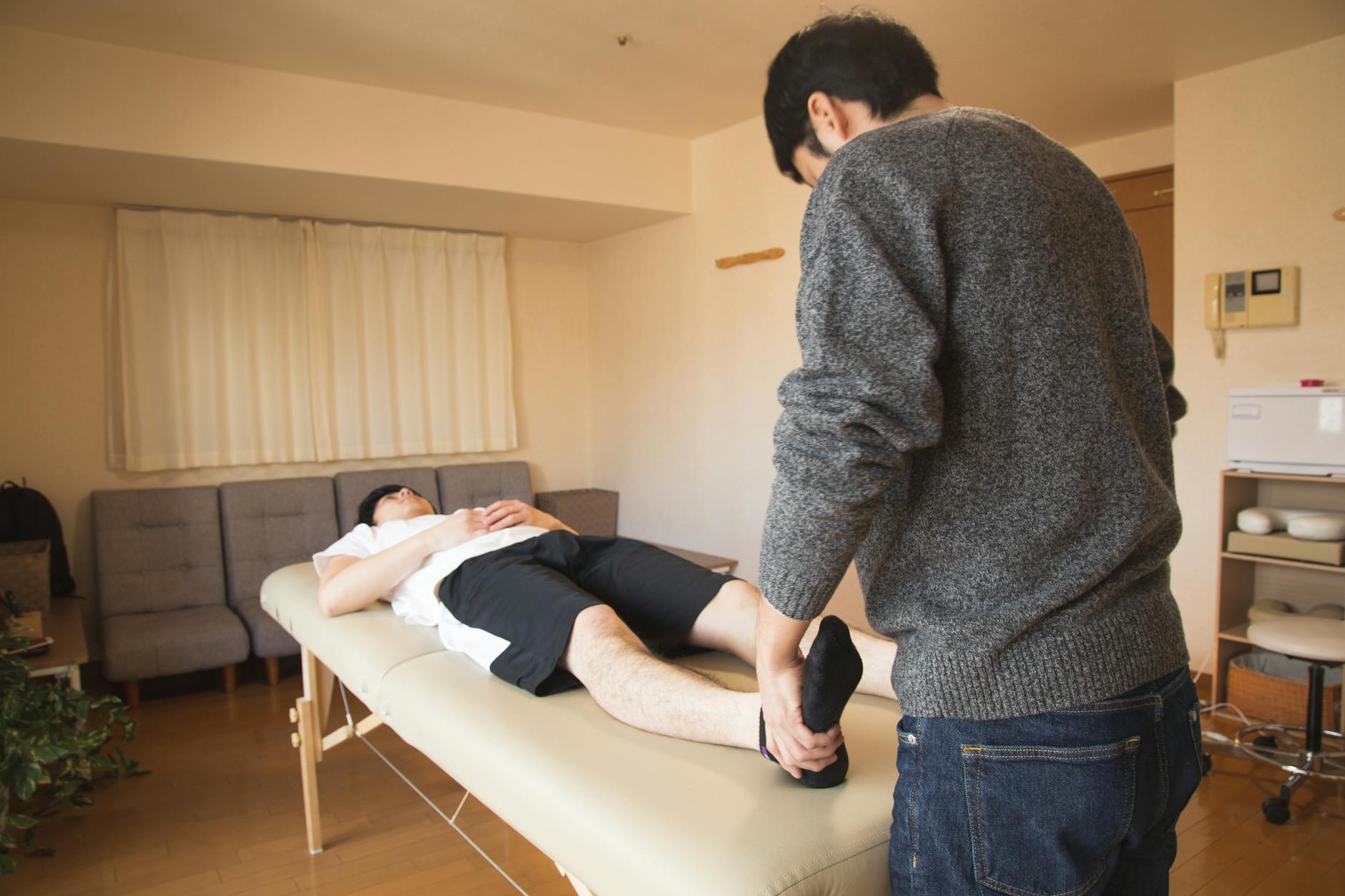
During an initial evaluation, a clinician will explore your history, current symptoms, and how you move. The goal is to understand your goals, identify safe starting points, and determine how chiropractic care and Pilates-informed movement can fit into a coordinated plan.
“Your care plan should be a collaborative, transparent process that respects your goals and limits.”
- History and symptom review to understand onset, duration, and triggers.
- Posture and movement screening to observe alignment and motor control.
- Muscle and joint assessments to identify movement-impaired patterns and neuromuscular safeties.
- Discussion of goals, potential benefits, limits, and safety considerations for combining care paths.
- Development of a coordinated plan that may include specific chiropractic techniques and Pilates-based exercises.
- Clear guidance on activity levels, progression, and follow-up scheduling to monitor response.
Frequently asked questions

“Clear questions lead to clearer plans. If something isn’t right, ask.”
-
Q: Can chiropractic care replace medical treatment for spine conditions?
A: In many cases chiropractic care may complement medical treatment. For serious or evolving conditions, professional medical evaluation remains essential, and a collaborative plan with appropriate specialists is recommended.
-
Q: Is Pilates safe for someone with back or neck pain?
A: Many people benefit from carefully chosen Pilates moves, especially when guided by a trained instructor and coordinated with a clinician’s care plan. Modifications and a gradual approach are important to avoid aggravation.
-
Q: How often should I work with a chiropractor and a Pilates instructor?
A: Scheduling is individualized. Some people begin with regular sessions and adjust based on symptoms, goals, and progress. Open communication between practitioners supports safe pacing.
-
Q: Do chiropractors teach Pilates concepts?
A: Some clinicians incorporate movement principles that align with Pilates concepts, but a certified Pilates instructor often provides the specialized training for core-strengthening sequences.
Practical summary
“Small, steady steps can lead to meaningful improvements over time.”
- Coordinate care: establish a clear plan with both a licensed chiropractor and a certified Pilates instructor.
- Prioritize foundation: begin with safe, foundational core work that emphasizes breathing and neutral spine alignment.
- Hold posture in daily life: integrate posture checks and movement cues into everyday activities.
- Progress cautiously: increase activity only when movements stay pain-free and controlled.
- Choose safe modifications: adapt exercises to your spine’s current tolerance and guidance from your team.
- Combine mindful movement: weave Pilates-informed cues into each session and daily routines.
- Monitor progress: track symptoms, functional changes, and any new or shifting goals with your clinicians.
- Communicate concerns promptly: report new pain, numbness, or weakness to your care team without delay.
If you are considering a structured program that blends chiropractic care with Pilates, discuss your goals, limits, and preferences with your spine health professional to tailor a plan that fits your needs.