
Thoracic spine lesions refer to abnormal tissue or growths that occur along the mid-back portion of the spine, between the neck and the lower back. They may arise from a variety of causes, including tumors, infections, inflammatory conditions, degenerative changes, cysts, or vascular abnormalities. Symptoms can range from local pain to numbness, weakness, or changes in sensation that extend beyond the back. Because the thoracic region is less mobile than the cervical and lumbar areas, some problems may develop quietly before they become noticeable. Understanding the spectrum of symptoms helps you decide when to seek professional evaluation rather than assuming ordinary back pain will resolve on its own. This article focuses on recognizing common signs, recognizing potential causes, and identifying practical, safety-minded steps for home care and medical evaluation.
Across the sections that follow, you will learn what to look for, safe at‑home practices, what to expect during an evaluation, and practical answers to frequently asked questions. The aim is to empower you with clear, cautious guidance that supports timely care when needed, without raising unnecessary alarm. If red flags appear or if symptoms persist, consider seeking care promptly from a clinician who can tailor advice to your situation. For additional background, trusted health resources can provide general context on spine health and thoracic conditions.
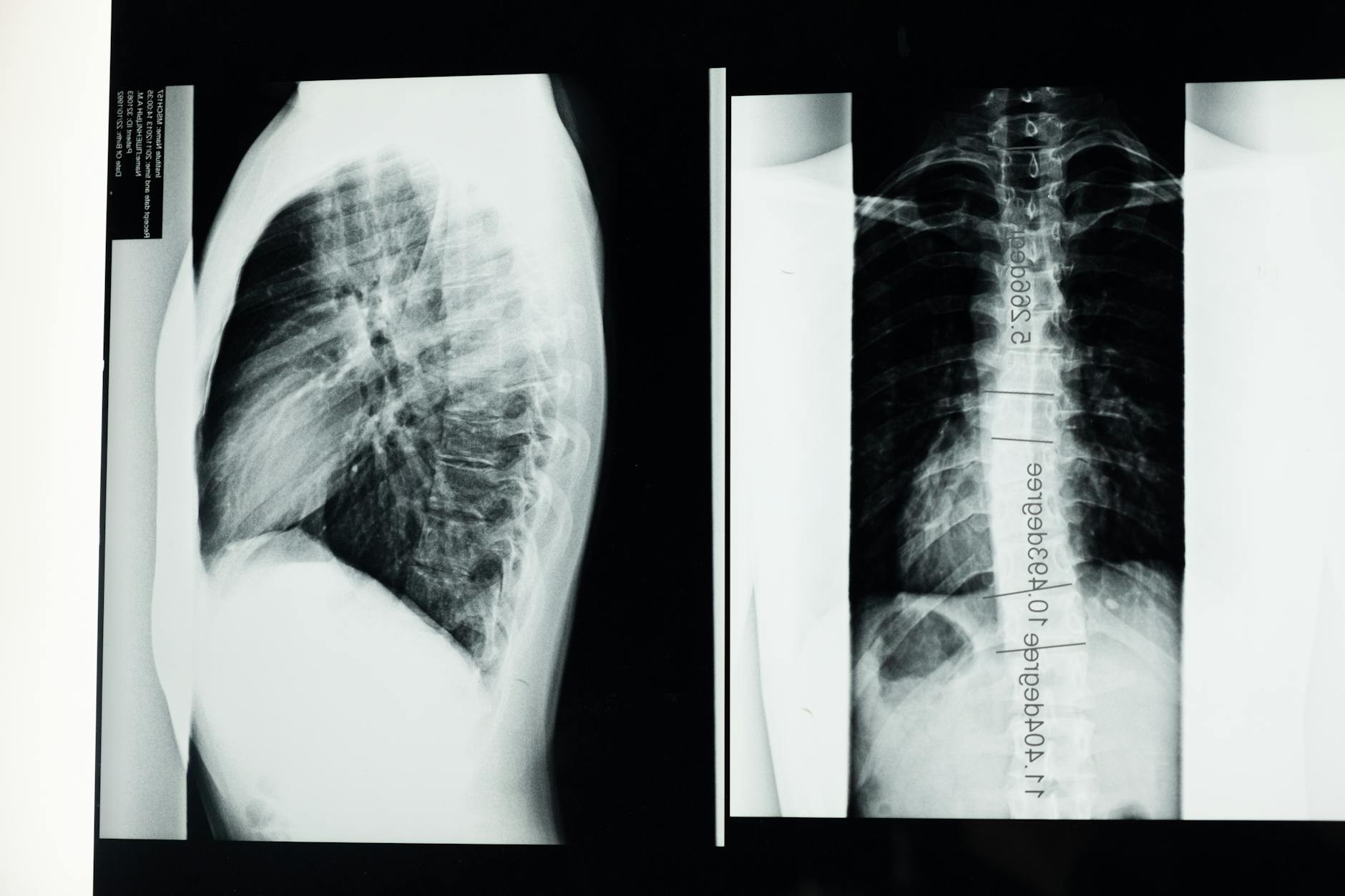
Symptoms and signs of thoracic spine lesions

Symptoms of thoracic spine lesions depend on where the lesion sits and what it affects. Many people notice mid‑back discomfort that may be dull, aching, or shooting in character, and this pain can worsen with movement or certain positions. Some lesions irritate nearby nerves or compress the spinal cord, leading to sensory changes on the chest or abdomen, weakness in the legs, balance difficulties, or altered reflexes. Infections or tumors may be associated with systemic signs in rare circumstances, but many individuals experience symptoms primarily localized to the back or trunk. Because the thoracic spine is a less dynamic region, early symptoms can be subtle and may evolve gradually over weeks or months.
“Thoracic spine symptoms often require careful evaluation, because the signs can overlap with other back or chest conditions.”
If you notice persistent back pain that does not respond to routine care, new numbness or tingling, weakness, or changes in bowel or bladder function, these may signal the need for medical assessment. A clinician can differentiate mechanical pain from signs suggesting a nerve or spinal cord issue, and they can determine whether imaging or laboratory tests are appropriate to clarify the cause.
Red flags: when to seek medical care

- Severe or rapidly worsening back pain, especially after an injury or trauma
- New numbness, weakness, or loss of sensation in the legs or around the trunk
- Difficulty maintaining balance or walking, or a feeling of heaving leg weakness
- Loss of bowel or bladder control, or a feeling of incontinence
- Fever, unexplained weight loss, night sweats, or persistent fatigue with back pain
- Known cancer history, immune suppression, or recent infections that may spread to the spine
In the presence of these red flags, seek urgent medical evaluation. If there is sudden or severe weakness, trouble walking, or loss of control over bowel or bladder function, consider emergency care. These signs can indicate spinal cord compression or other urgent conditions that require prompt attention.
What may help at home (safely)

- Rest as needed, avoiding activities that sharply worsen pain
- Apply heat or cold as tolerated to ease discomfort
- Maintain gentle, guided mobility and posture awareness to avoid stiffness
- Engage in light, low‑impact activities such as short walks if tolerated
- Practice posture‑friendly positions and ergonomics during daily tasks
- Use supportive pillows or mattresses to optimize sleep alignment
- Limit heavy lifting or twisting motions until a clinician provides guidance
- Hydration and a balanced diet to support overall spine health
- Consult a clinician before starting new exercises or over‑the‑counter pain strategies
“Safe home practices focus on gentle movement, proper posture, and when to seek professional input.”
What to expect during an evaluation
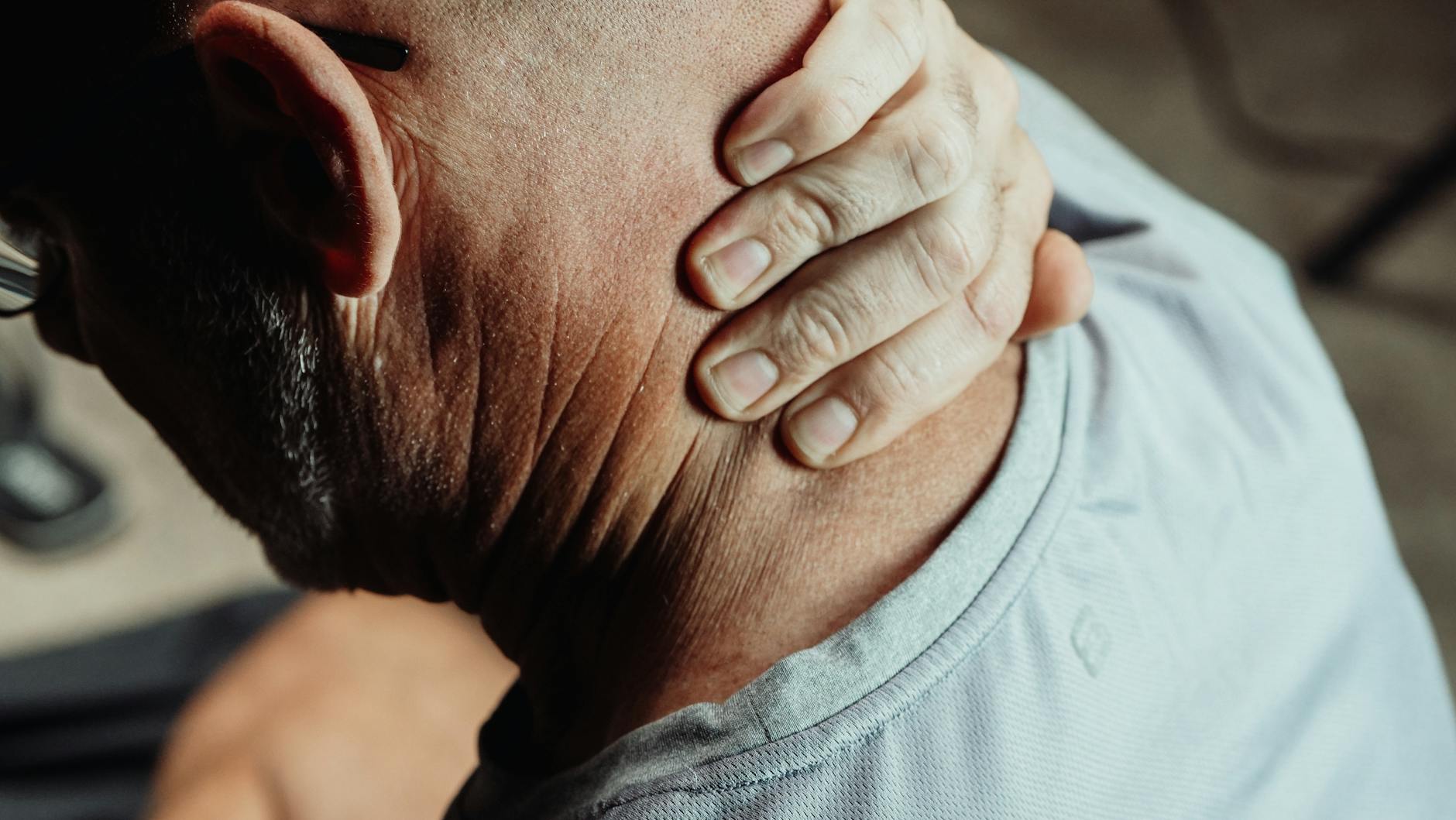
A thorough evaluation for thoracic spine lesions begins with a careful history and a focused physical examination. Your clinician will ask about the onset, duration, and character of symptoms, any related medical conditions, and how activities influence pain. The physical exam typically includes assessment of spinal range of motion, palpation for tenderness, and a neurological check for sensation, strength, and reflexes along the trunk and legs. This helps identify whether a lesion may be compressing neural structures or causing other dysfunction.
Imaging and laboratory tests are considered based on findings from the history and exam. A common sequence may involve targeted imaging to clarify anatomy and guide decisions about treatment options. Throughout the process, shared decision‑making is emphasized: clinicians discuss potential diagnoses, the risks and benefits of tests and treatments, and align plans with patient goals and values. It is important to acknowledge that imaging can reveal incidental findings that may not explain symptoms; decisions about management should reflect the overall clinical picture and preferences of the patient.
For readers seeking external guidance, reputable health resources provide general context on spine health and thoracic conditions, such as Mayo Clinic and NIH resources. These references can help you understand typical diagnostic pathways and what questions to ask your healthcare provider.
Frequently asked questions
Q: What is meant by a “thoracic spine lesion”? A: It refers to an abnormal area of tissue or growth along the mid‑back portion of the spine, which may arise from various causes and contribute to back pain or neurological symptoms.
Q: Are thoracic spine lesions common? A: They are less common than problems in the cervical or lumbar spine, but they do occur and often require careful assessment to determine the cause and appropriate treatment.
Q: Do I always need imaging? A: Not always. The clinician weighs symptoms, exam findings, and risk factors before recommending imaging, and may opt for observation or targeted tests when appropriate.
Q: What treatment options exist? A: Treatments depend on the cause and may include conservative therapies, targeted physical therapy, medications, or specialist referrals. In some cases, more specialized interventions could be considered, but these decisions are personalized and discussed with your clinician.
Practical summary
Here are key takeaways to apply in daily life and when to seek care.
- Monitor symptom changes, including new neurological signs or systemic symptoms
- Seek timely evaluation if red flags appear or symptoms worsen despite home care
- Discuss imaging indications and treatment options with your clinician, focusing on goals and preferences
- Maintain safe movement and posture to support spine health while avoiding activities that raise risk
- Schedule follow‑ups and ask clear questions to stay informed about your care plan
If you have ongoing concerns about thoracic spine lesions, arrange a professional evaluation. Seek urgent care if there are signs of spinal cord compression or new, severe neurological changes. For readers, a thoughtful, patient‑centered approach helps ensure that care decisions align with your goals while keeping safety at the forefront. Consider consulting a spine health specialist to tailor this guidance to your specific situation.