
Vertigo and dizziness are common complaints that many people experience at least once in their lives. Yet they describe different experiences and often point to different underlying causes. Vertigo specifically refers to a spinning or rotational sensation, either of you or your surroundings, and it is frequently triggered by changes in position or head movements. Dizziness, on the other hand, is a broader term that can include lightheadedness, a feeling of imbalance, floating, or a general sense of being off-balance. Understanding the distinction helps narrow down potential causes, guides safe self-care, and informs when to seek professional evaluation. In this article, you’ll learn how to tell the difference, what common triggers look like in real life, practical steps you can try safely, and how chiropractic care may fit into a broader plan. If symptoms persist or worsen, seek timely medical guidance to rule out urgent issues and to tailor a care approach to your situation.
This guide aims to offer practical, patient-friendly guidance you can apply day to day. You’ll find explanations of typical scenarios, safe home strategies, what to expect during a clinical evaluation, and a balanced view of the role that chiropractic adjustments may play for certain types of dizziness. The emphasis is on clarity, cautious language, and shared decision-making with your healthcare team. Remember that every person’s experience is unique, and a thorough evaluation is essential before making treatment choices.

Red flags: when to seek medical care

Most dizziness or vertigo episodes are manageable with appropriate self-care or standard medical treatment. However, certain features may indicate a more urgent issue or a neurologic concern that requires prompt evaluation. If you experience any of the red flags below, contact a clinician or seek urgent care, especially if symptoms are new, severe, or rapidly worsening. Early assessment helps ensure accurate diagnosis and safer management.
“If dizziness is accompanied by new weakness, slurred speech, severe headache, chest pain, or loss of consciousness, seek immediate medical attention rather than waiting to see if symptoms improve.”
- Sudden, severe dizziness or vertigo that lasts minutes to hours, with new weakness, numbness, or trouble speaking
- Onset after head injury, a severe headache, vomiting, or confusion
- Dizziness with chest pain, shortness of breath, or fainting
- New dizziness in older adults, especially with a history of cardiovascular disease, high blood pressure, or diabetes
- Persistent dizziness lasting days with worrisome features like persistent numbness or weakness
- Hearing loss, ringing in the ears, facial weakness, or double vision that accompanies dizziness
What may help at home (safely)

For many people, mild dizziness or episodic vertigo can improve with simple, safe at‑home strategies. The goal is to reduce triggers, support drainage of symptoms, and prevent falls, while avoiding activities that could worsen a spell. If you are ever unsure about whether a strategy is appropriate for you, pause and seek professional guidance before trying it. A calm approach and gentle movements are usually best in the moment of spinning or lightheadedness.
“Safe self-care involves listening to your body, avoiding risky moves during an episode, and knowing when to seek professional input rather than pushing through symptoms.”
- Rest briefly during a spinning spell and sit or lie down to reduce the risk of a fall
- Hydrate regularly and eat balanced meals to maintain stable blood pressure and energy
- Avoid sudden head movements; rise slowly from lying to sitting, and rise gradually from seated positions
- Engage in light, supervised activities as symptoms allow; avoid driving or operating heavy machinery during spells
- Practice safe neck and upper back mobility only with clinician guidance if neck stiffness or pain accompanies dizziness
What to expect during an evaluation

A careful evaluation helps distinguish vertigo from other causes of dizziness, such as balance disorders, neck-related dizziness, or more systemic conditions. A clinician typically reviews your symptom history, asks about triggers and duration, and conducts a focused physical and neurologic exam. Vestibular and balance testing, hearing screening, and a neck assessment may be included. While many cases respond to targeted treatments, it’s important to recognize that not all tests detect every issue, and decisions about care should be shared and individualized.
- Detailed history focusing on onset, triggers, duration, associated symptoms, and impact on daily activities
- Focused neurological and general exam to screen for central causes or red flags
- Vestibular assessment and eye-mibration testing to evaluate balance and gaze stability
- Hearing screening if there is hearing loss, tinnitus, or ear fullness
- Assessment of neck and posture to identify possible cervicogenic contributors
- Discussion of likely causes, treatment options, and next steps, including referrals or imaging if indicated
Frequently asked questions
Q: Is vertigo the same as dizziness? A: No. Vertigo specifically refers to a spinning sensation, while dizziness is a broader term that can include lightheadedness, imbalance, or a sense of wooziness.
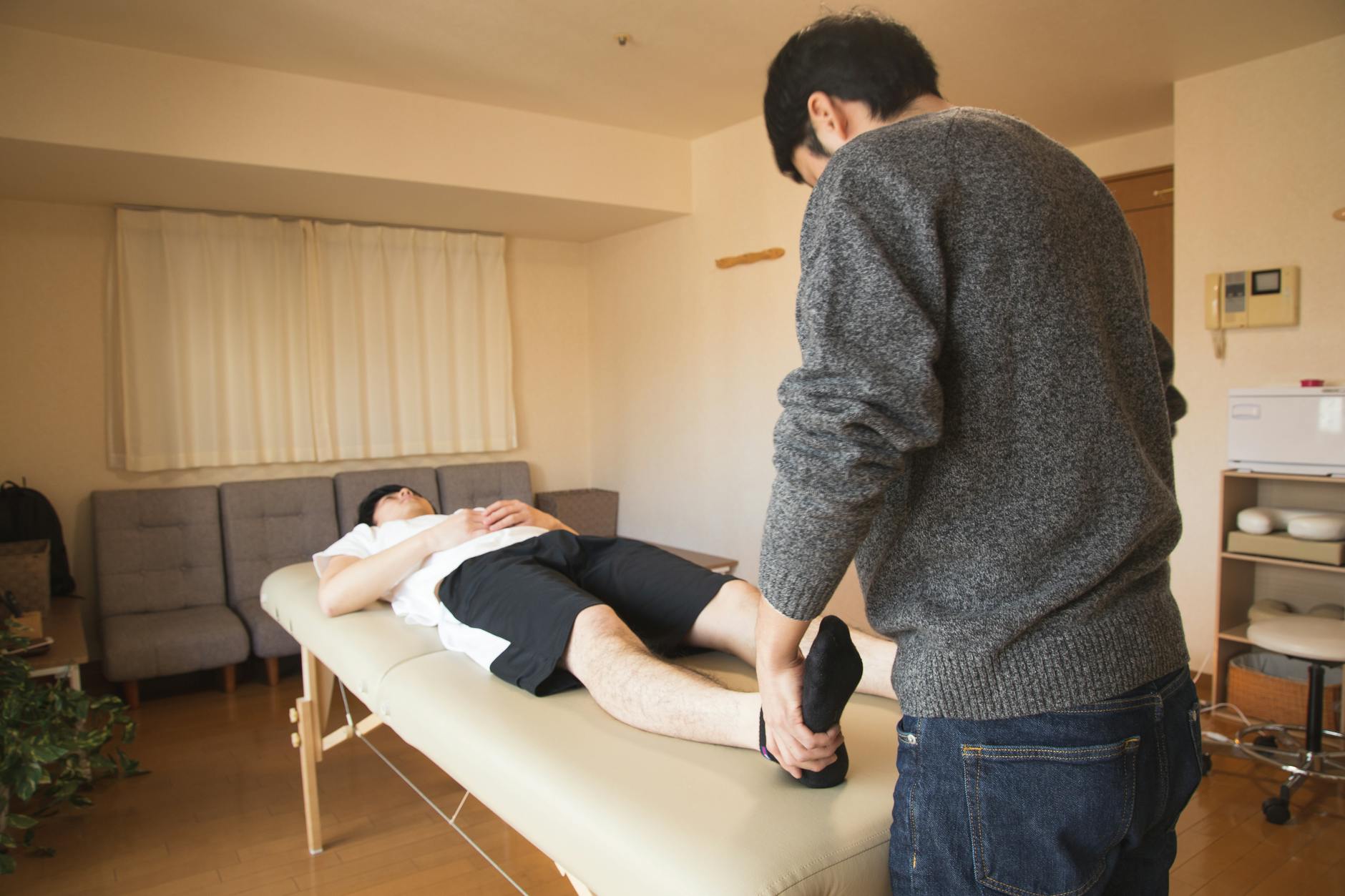
Q: Can chiropractic adjustments help vertigo? A: For certain neck-related dizziness, some people report improvements after targeted adjustments or physical therapy. It is not a guaranteed remedy for all vertigo types, and evaluation is essential to determine suitability.
Q: When should I seek urgent care? A: Seek urgent care if dizziness comes with chest pain, severe headache with neck stiffness, new weakness or trouble speaking, or if you faint and cannot be revived promptly.
Q: What is vestibular rehabilitation? A: Vestibular rehabilitation is a specialized workout program for the eyes and balance system designed to reduce dizziness and improve stability and is often used in combination with other treatments.
Practical summary
Below is a concise checklist to keep in mind as you navigate vertigo vs. dizziness and the possible role of chiropractic care within an integrated plan. Use it as a quick reference to discuss with your clinician and to guide daily decisions.
- Know the difference between vertigo (spinning) and dizziness (broader sensation)
- Monitor for red flags and seek timely care when they appear
- Try safe home strategies to reduce mild, non‑urgent symptoms
- Understand that chiropractic care may be one component of a broader treatment plan
- Keep a symptom diary and share goals with your healthcare team to support shared decision-making