
Weightlifting belts are a common tool in many strength programs, used to create abdominal pressure and a sense of stability during demanding lifts. Proponents argue that a belt can help you brace the trunk, maintain a more neutral spine, and transfer force efficiently during heavy segments. Critics point out that belts may give a false sense of security, potentially encouraging poorer technique or over-reliance, especially for beginners. The truth is nuanced: a belt is a training aid, not a cure, and its effects on spine alignment depend on how it’s used, who is using it, and the context of the lift. This article explains what belts can (and cannot) do for spine alignment, the pros and cons, and practical steps to use them safely as part of a balanced program.
Throughout, you’ll learn how to decide whether a belt fits your goals, how to wear it properly, and what to discuss with a clinician or coach if you have back pain or alignment concerns. We’ll cover red flags that warrant medical advice, safe at‑home practices that complement technique (not replace medical care), and a practical summary you can apply on training days. The aim is to support thoughtful, injury‑aware lifting that aligns with your strength ambitions and spine health.
Red flags: when to seek medical care

Red flags are signals that something may be going on beyond routine soreness or fatigue; they deserve careful attention from a clinician.
Back pain that intensifies or persists despite rest and sensible training may merit medical evaluation. Seek care promptly if you notice new numbness, tingling, or weakness in the legs, especially if it accompanies leg cramping, progressive difficulty walking, or foot drop. Seek urgent care if there is loss of bowel or bladder control, numbness around the groin or saddle area, severe trauma (such as a fall from height), fever with back pain, or if pain is associated with night sweats or unexplained weight loss. These signs don’t automatically mean a serious problem, but they warrant timely assessment to rule out conditions that require treatment beyond training modifications. If you have a history of spine injury or surgery, or you’re unsure how to proceed with lifting, a clinician’s guidance is especially important.
What may help at home (safely)
Home strategies help support safe technique and progressive loading; they’re not a substitute for professional evaluation when pain or alignment concerns arise.
In many cases, combining belt use with solid technique and a well‑structured warm‑up can support spine alignment during training. A cautious, individualized approach tends to work best. Below are practical, safe considerations for at‑home practice:
- Assess whether belt use is appropriate for the lift, your experience level, and your current back health.
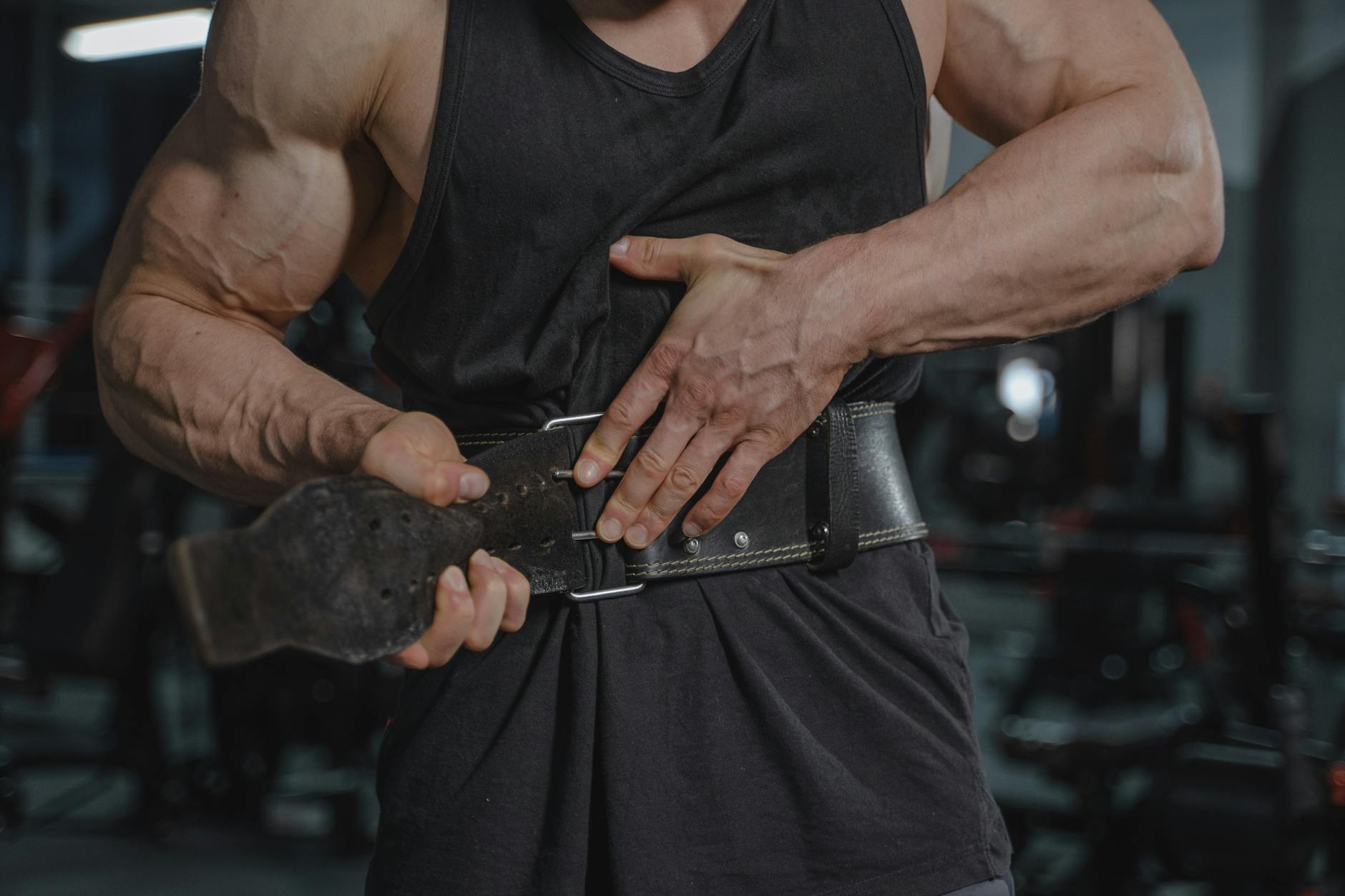
- Position the belt around the midsection, just above the hips, and ensure it is snug but not painful.
- Brace the core by taking a breath in and tightening the abdominal and spinal muscles before each effort.
- Use the belt for heavier sets or near‑max attempts, not for every warm‑up rep or light accessory work.
- Focus on technique first: maintain neutral spine, ribcage over pelvis, and controlled movement throughout the lift.
- Choose a belt type and width that suits your build and the lift demands; avoid a belt that interferes with breathing or mobility.
- Combine belt use with mobility work, posterior chain strength, and core‑stability training to support long‑term spine health.
- If belt use causes new pain or worsens symptoms, pause and reassess technique, load, and belt fit with a coach or clinician.
What to expect during an evaluation
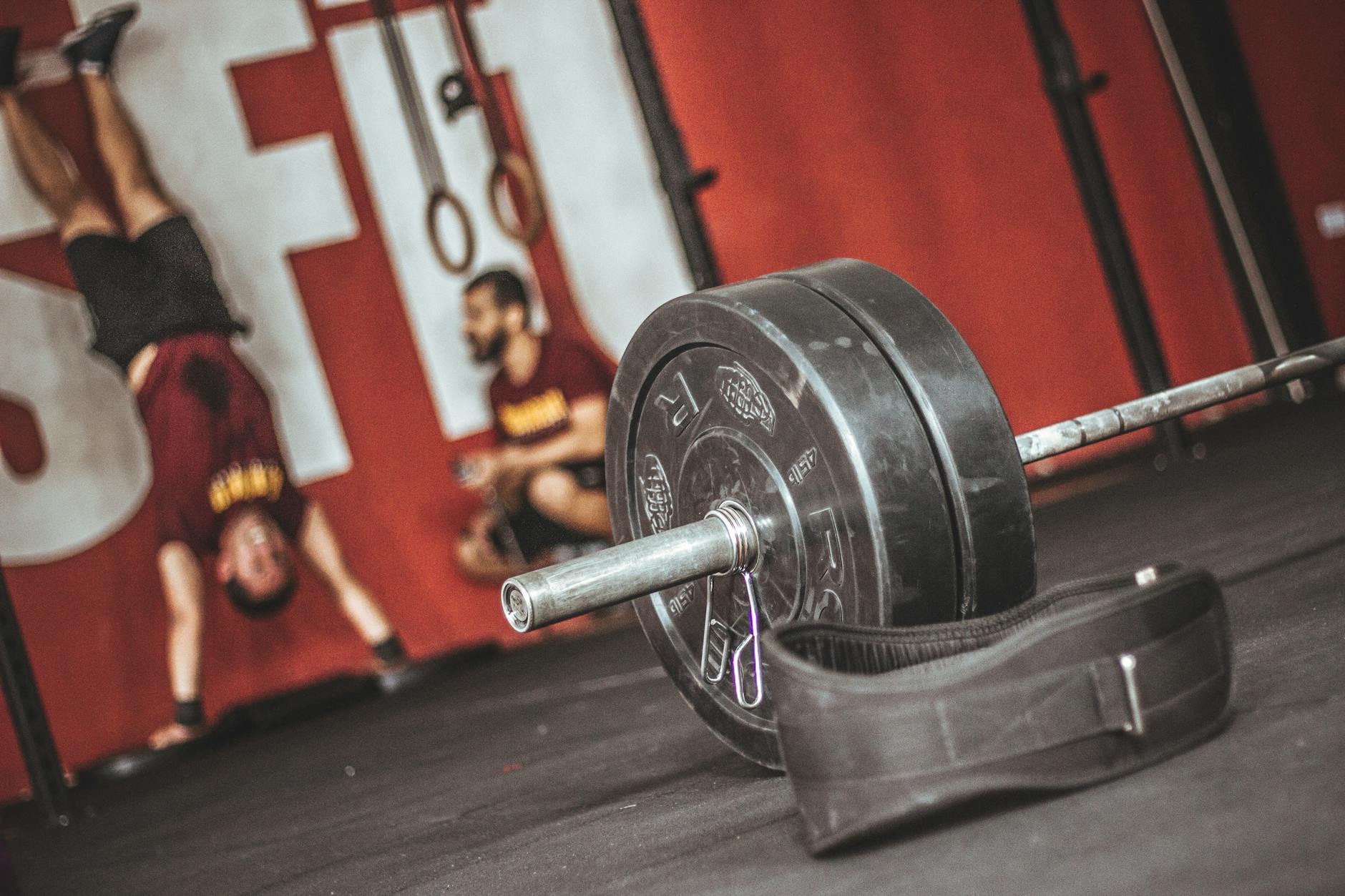
A careful evaluation considers your history, goals, and daily function, then collaborates with you to tailor belt use within a safe plan.
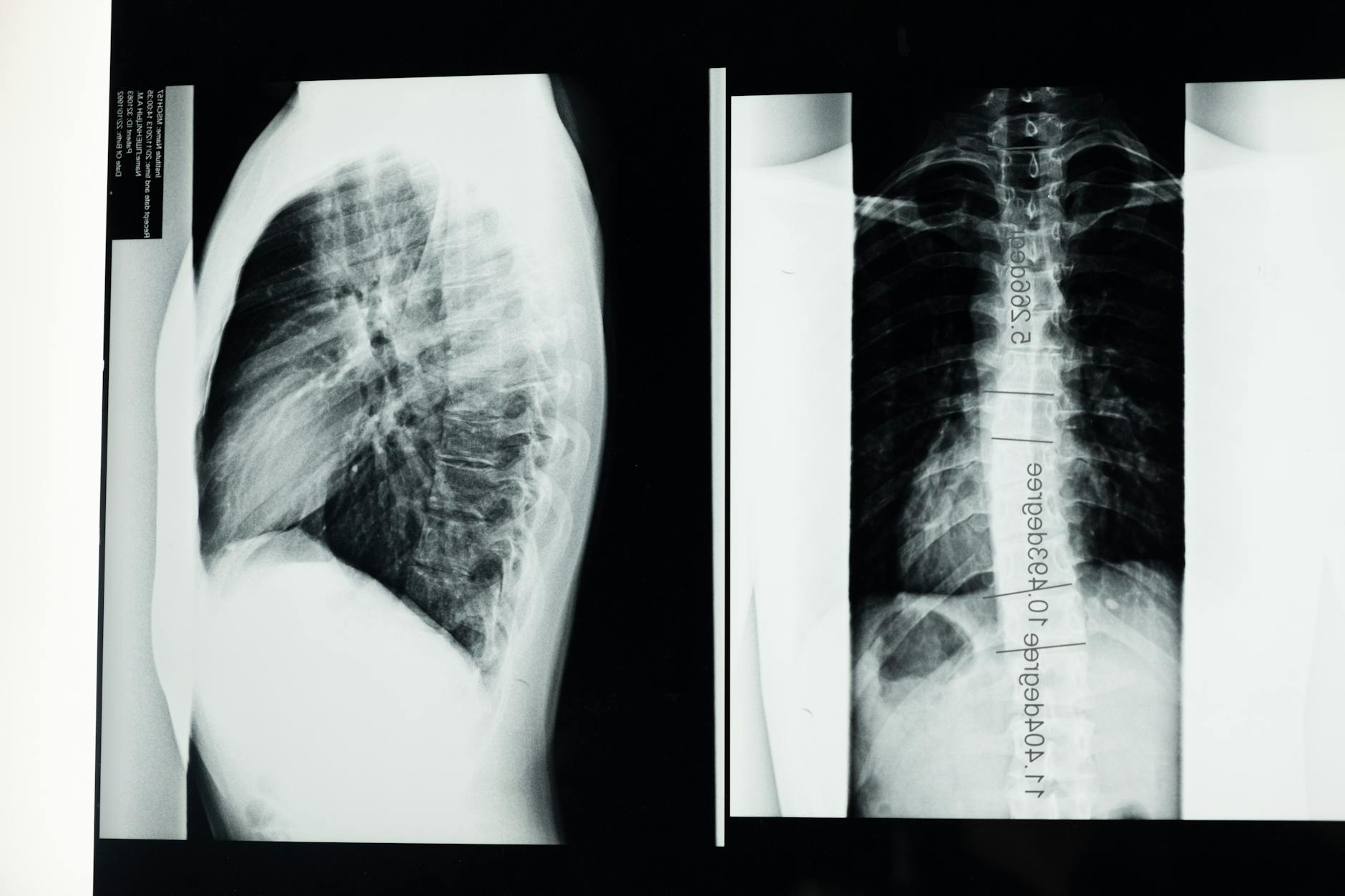
When spine health or alignment is a concern, a clinician or qualified coach will typically gather a detailed history, including prior injuries, pain patterns, and training goals. The evaluation often includes a physical examination focusing on movement quality, spinal posture in different positions, core control, and symmetry of the hips and shoulders. Imaging or additional tests are considered only if indicated by findings or if symptoms suggest nerve involvement or mechanical issues that require treatment beyond technique and load management. Shared decision‑making—discussing risks, benefits, and limits of belt use—helps ensure your plan aligns with your values and the best available clinical judgment. A belt may be one component of a broader approach that includes coaching, progressive loading, and targeted mobility or stabilization work.
Frequently asked questions

Answers here are general; talk with a clinician for advice tailored to your situation, especially if you have pain or a history of spine issues.
Q1: Do weightlifting belts prevent back injuries? A belt may reduce strain in some people during certain heavy lifts, but it does not eliminate injury risk. Technique, conditioning, load progression, and individual anatomy all matter.
Q2: Should beginners start using a belt? Generally, beginners are encouraged to focus on form, core strength, and gradual loading first. Belt use can be introduced once basic technique is solid and weights are challenging, under guidance.
Q3: Can belts cause weakness? Some lifters perceive reduced abdominal engagement when wearing a belt; this does not automatically mean persistent weakness. Use belts judiciously as part of a broader training plan rather than as a default for all lifts.
Q4: How do I know if a belt is right for me? Best practice involves your goals, any back pain history, and input from a coach or clinician. They can help you choose the belt type, fit, and usage pattern that fit your program and anatomy.
Practical summary
Use this concise checklist to translate what you’ve learned into action on training days.
- Clarify your goals and ensure your technique is solid before using a belt.
- Learn a consistent bracing pattern that you can apply reliably with or without a belt.
- Introduce belt use gradually and reserve it for heavier work or near‑max attempts.
- Choose the right belt type and fit for your body and lifts, prioritizing comfort and breathing ability.
- Pair belt use with a comprehensive training plan that includes mobility, core work, and progressive overload.