The experience of travel can be exciting and enriching, yet for many people it comes with a familiar companion: back discomfort. Travel-related back pain may arise from prolonged sitting, awkward sleeping setups in unfamiliar hotels, lugging luggage, and disruptions to regular movement patterns. The good news is that with practical planning and gentle strategies, most travelers can reduce discomfort, improve posture, and maintain activity during journeys. In this article, you’ll learn about common causes, simple and safe at-home strategies, what to expect if you seek care, and practical steps you can use on the road or in the air to stay comfortable. By focusing on small but meaningful changes, you can make long trips feel steadier and more enjoyable.
Whether you’re planning a short domestic flight or a multi-day road trip, understanding how travel affects the spine helps you prepare. We’ll cover practical tips for different modes of travel, signs that may indicate a need for medical evaluation, and how to engage in a shared decision-making process with your clinician if symptoms persist. The goal is to offer realistic guidance that fits your schedule, budget, and body, without promising dramatic cures or claiming that pain will never return. If symptoms raise new red flags or don’t improve with conservative measures, professional evaluation is advised.

Red flags: when to seek medical care

Travel discomfort can be manageable, but certain warning signs require prompt medical assessment to rule out more serious conditions.
Look for new or worsening numbness, tingling, or weakness in the legs, which may indicate nerve involvement. If you notice sudden incontinence or difficulty controlling bowel or bladder function, seek care promptly. Severe or progressive night pain, fever with back symptoms, recent injury from a fall or collision, or a history of cancer or osteoporosis with new pain should be evaluated by a clinician. Pain that persists beyond a few weeks despite conservative measures, or pain that limits daily function during travel, warrants professional input to guide safe activities and treatment options.
During travel, if any red-flag symptom appears, contact your healthcare provider or visit an urgent care facility, especially if you are far from your usual care team. For general information about back pain red flags, reputable sources note that urgent evaluation is important when neurological symptoms or systemic signs accompany back pain. Mayo Clinic overview offers a useful framework for recognizing when to seek care. If you’re unsure, err on the side of caution and seek professional guidance before continuing travel plans.
What may help at home (safely)
Safe in-the-main strategies rely on movement, support, and sensible self-care that can be implemented during trips.
To support comfort during travel, prioritize accessibility to movement and posture adjustments. A few practical ideas include planning regular movement breaks, using a small lumbar support or pillow, and adjusting seating to maintain natural spinal curves. Gentle, evidence-informed stretches or mobility breaks during layovers or long drives may help reduce stiffness. If you have a known spine condition, adapt these ideas in consultation with your clinician to align with your baseline plan.
- Take breaks every 60–90 minutes of sitting to stand, walk, or perform simple mobility moves.
- Use a small lumbar roll or travel cushion to support the lower back when sitting in planes, trains, or cars.
- Adjust the seat to keep the knees slightly higher than the hips, and maintain a relaxed, upright posture rather than slumping.
- In hotel rooms, try a supportive pillow and a modestly firm mattress topper if available; a pillow under the knees when sleeping on the back or between the knees when side-lying can reduce pressure.
- Practice gentle stretches such as hip flexor releases, seated spinal twists, and shoulder blade retractions during downtimes; avoid forceful or sudden movements if you have a prior injury.
- Stay hydrated, limit excessive alcohol, and aim for balanced meals to support overall muscle function and energy levels.
- Carry light, easy-to-use heat or cold packs for targeted relief and to test what feels best in the moment, using heat for muscle-tense areas and cold for acute soreness or inflammation as directed by your clinician.
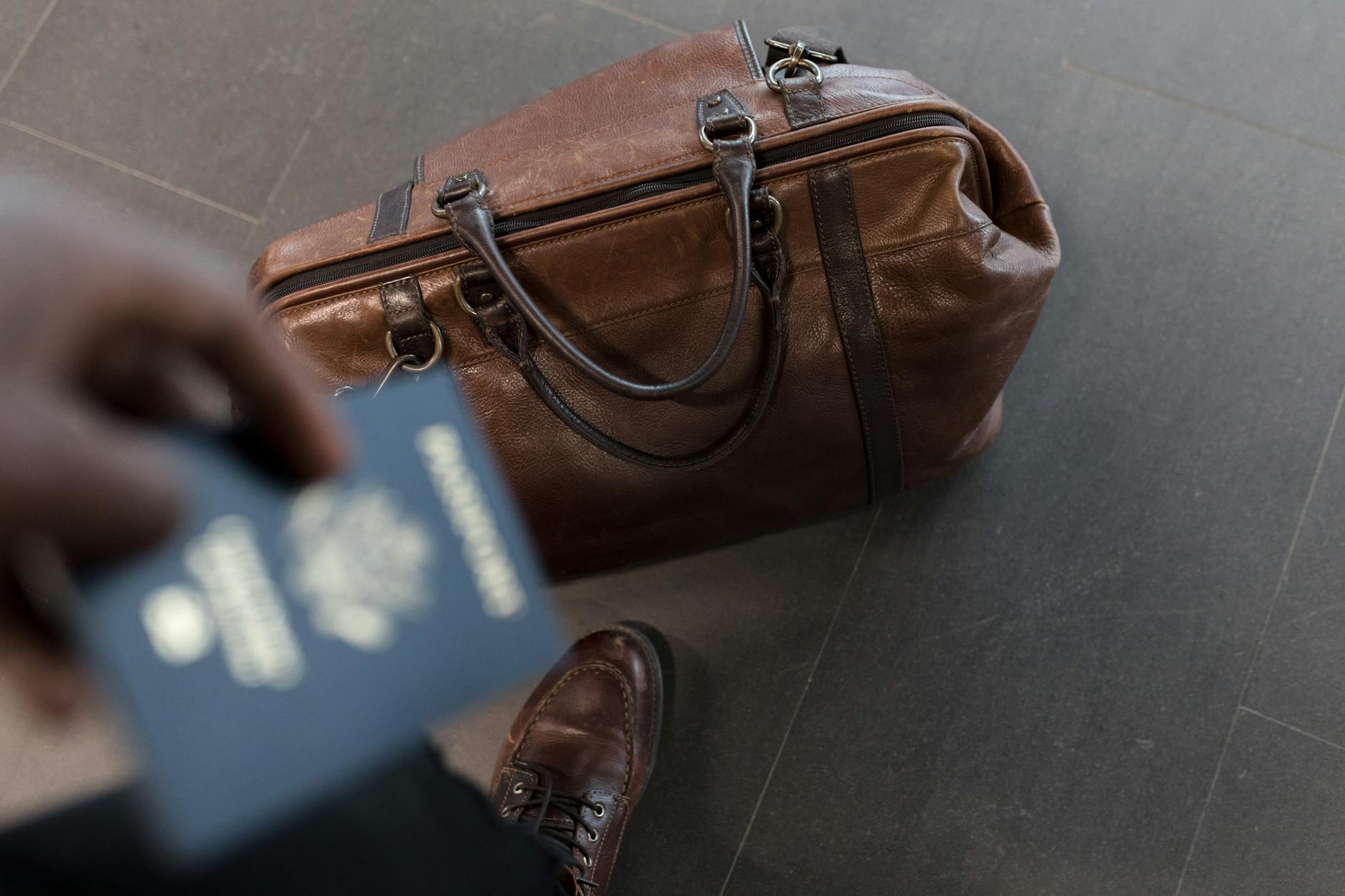
- Plan for safe luggage handling: lift with your knees, keep the load close to your body, and seek aid if an item feels heavy or awkward.
What to expect during an evaluation

In an evaluation, clinicians commonly review your travel history, symptom pattern, and prior spine health, then tailor a plan that respects your goals and daily routine.
During an assessment, a clinician will typically discuss when and how symptoms began, what aggravates or relieves them, and how travel-related factors may be involved. A focused physical examination helps identify movement restrictions, areas of tenderness, and neurological status. Imaging or advanced testing is generally considered only if symptoms persist, worsen, or there are red flags; decisions are made through shared decision-making, balancing benefit, risk, and your travel needs. If a plan involves activity modification, ergonomics, or short course of therapy, you’ll be guided on how to monitor progress and when to revisit care.
Because spine pain can have multiple contributing factors, clinicians often emphasize safe, gradual activity and functional goals rather than aggressive interventions. For general guidance on back pain and evaluation pathways, you can review authoritative materials from respected health organizations that describe the typical evaluation process and its limitations. NIH/NINDS overview provides a broad context for understanding common approaches to back pain assessment. If you’re planning travel, discuss your itinerary and any anticipated activities with your clinician so the plan fits your journey schedule.
Frequently asked questions

Common concerns often involve how travel affects the spine and when to seek care.
- Q: Can travel cause back pain to start suddenly? A: Yes, long periods of sitting, poor posture, and abrupt changes in sleeping surfaces can trigger new discomfort in some people, especially if they have preexisting spine sensitivity. Consider addressing posture, movement, and sleep setup on your next trip to see if symptoms improve.
- Q: Should I take pain medications before flights? A: It depends on your medical history and plan. If you regularly use medications for pain, continue as prescribed and discuss travel plans with your clinician. Avoid making new medication decisions solely based on travel discomfort without medical advice.
- Q: Is imaging always needed for travel-related back pain? A: Not necessarily. In many cases, a careful history and exam suffice to guide management. Imaging is typically reserved for red flags, persistent symptoms, or when a clinician suspects a specific underlying condition.
- Q: How soon should symptoms improve after a travel-related flare? A: Many travelers notice improvement within a few days to a couple of weeks with rest, gentle activity, and ergonomic adjustments. If pain persists beyond several weeks, reevaluate with your clinician.
Practical summary
Finish with concrete steps you can apply on the road to support ongoing spinal comfort.
- Plan movement breaks every 60–90 minutes during travel to reset posture and mobility.
- Carry a compact lumbar support or cushion for planes, trains, and car seats to maintain natural spine curvature.
- Adjust seating: keep knees and hips aligned, feet supported, and avoid slumping or crossing legs for long periods.
- Pack lightweight sleep aids (a flexible pillow or small blanket) to optimize sleeping posture in unfamiliar beds.
- Monitor red flags and seek medical advice promptly if symptoms change, worsen, or involve numbness, weakness, or loss of control.