
Corrective chiropractic care and maintenance chiropractic care are two common approaches used to manage spine and musculoskeletal concerns. While they share the same broad goal—supporting the body’s ability to move with less pain and greater function—each approach targets different outcomes and follows a distinct path. Corrective care tends to focus on addressing underlying alignment, mobility, and tissue issues with a structured plan, often over weeks to months. Maintenance care emphasizes ongoing spine health, aiming to preserve gains from corrective work and reduce the risk of future flare-ups. Understanding the difference can help you participate more actively in decisions about your care and set realistic expectations. If you’re considering these options, a conversation with a licensed chiropractor can help tailor the plan to your needs.
In this article, you’ll learn how corrective care and maintenance care differ in goals, timing, and daily practice, plus practical steps you can take at home, red flags that warrant medical input, what to expect during an initial evaluation, and answers to common questions. The information is designed to support informed, shared decision-making and to help you approach spine health with clarity and confidence. Always consult a qualified professional about your specific symptoms, especially if they are persistent or worsen over time.

Red flags: when to seek medical care
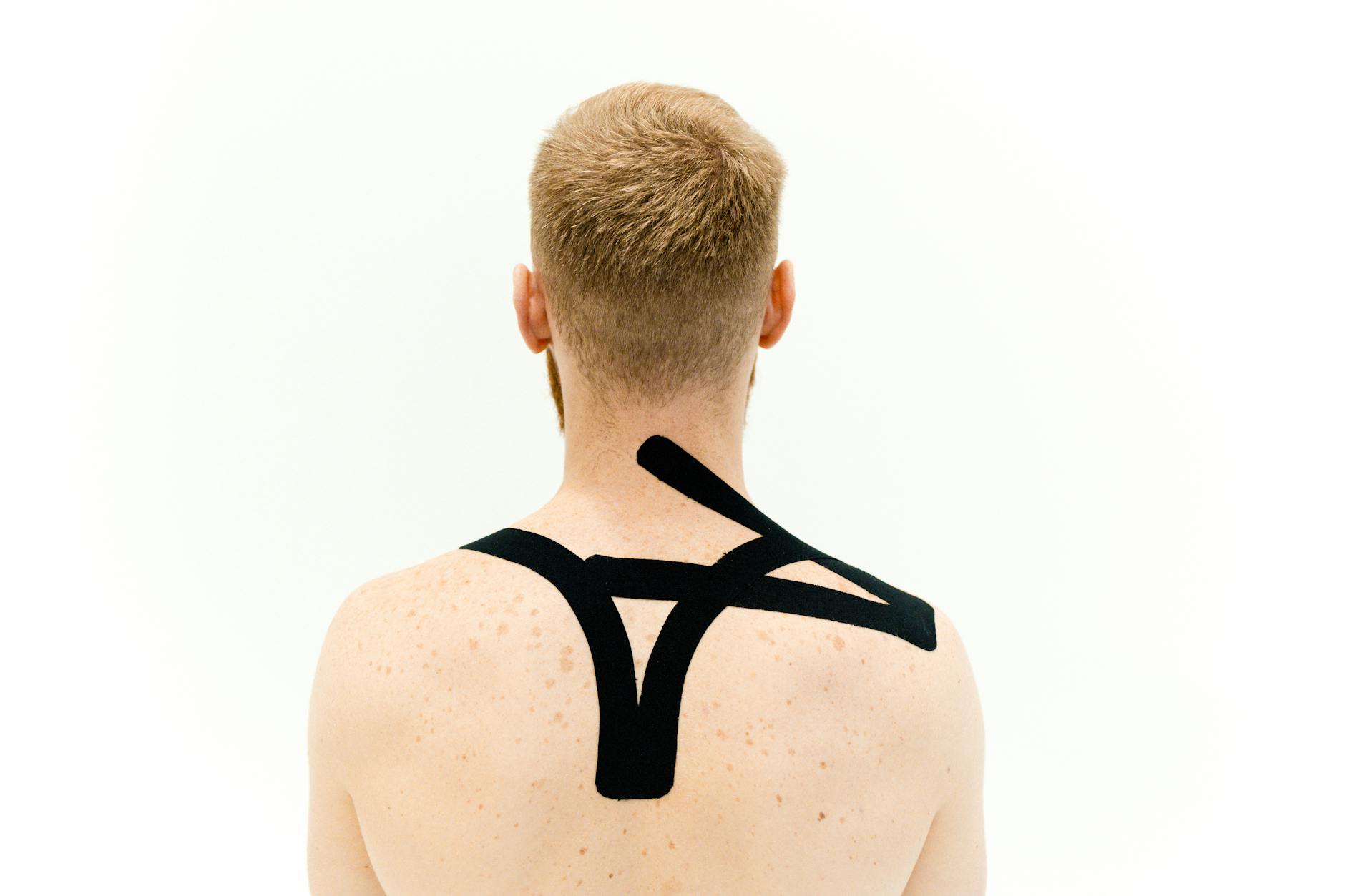
Chiropractic care often provides relief for mechanical back and neck pain, but some signs may indicate problems that need medical assessment beyond routine spine care. Being aware of these signals can help you decide when to continue with corrective strategies or seek urgent or specialized evaluation. If any of the following applies, consider contacting your clinician or seeking timely medical attention.
Corrective care aims to correct movement and alignment issues, but some red flags may require a medical evaluation before continuing a treatment plan.
- Severe, persistent night pain or unrelenting pain that doesn’t improve with rest
- Weakness, numbness, or tingling that travels into one or both legs or arms
- Loss of bowel or bladder control or new urinary symptoms
- Fever, chills, or unexplained weight loss with spine pain
- Recent significant trauma (e.g., a fall or car accident) with new symptoms
- History of cancer, osteoporosis, long-term steroid use, or infections
- Progressive neurological changes or difficulty walking
- Severe new neck pain with pain spreading to the arm or leg
If you notice any of these, pause the treatment and contact your healthcare provider for guidance and appropriate testing if needed.
When red flags appear, a clinician may adjust the plan, order tests, or refer you for urgent care as appropriate.
What may help at home (safely)

Many people find that combining professional care with safe, simple home strategies supports progress in both corrective and maintenance phases. The goal is to reduce mechanical stress, preserve mobility, and encourage movement within comfortable limits. Before starting any new routine, talk with your clinician to ensure the movements fit your condition and treatment plan.
Small, consistent changes often have a greater impact on long-term spine health than sporadic, intense efforts.
- Keep activities within a comfortable range of motion and avoid positions that provoke pain.
- Apply heat or cold as recommended, typically for short durations (e.g., 15–20 minutes).
- Practice daily posture checks—shoulders relaxed, spine tall, head aligned over the pelvis.
- Use a supportive mattress, pillow, and workstation setup to promote neutral spine alignment.
- Incorporate gentle, spine-friendly stretches approved by your clinician.
- Take short, regular walks to promote mobility and blood flow without overloading the spine.
- Stay hydrated and maintain balanced meals to support tissue health and recovery.
- Avoid heavy lifting or high-impact activities during peak flare-ups unless cleared by a clinician.
What to expect during an evaluation

An initial evaluation typically includes a discussion of your pain history, daily function, and personal goals, followed by a hands-on examination of movement, posture, and symmetry. The clinician may review imaging or tests if indicated and will explain how the findings relate to your symptoms. Importantly, you will be invited to participate in decision-making, including setting expectations for improvement, defining the role of corrective care versus maintenance, and agreeing on a plan that fits your life.
Shared decision-making helps ensure that your care plan aligns with your goals, values, and daily routines.
It’s also important to acknowledge that not every condition responds in the same way, and results can vary. Your clinician will discuss realistic timelines and when it may be appropriate to adjust the plan, switch focus, or include other therapies as part of a comprehensive approach.
Frequently asked questions

- Q: Is corrective care only for acute pain? Not necessarily. Corrective care may address chronic alignment and movement limitations as well as subacute symptoms, with goals tailored to the individual.
- Q: How long does corrective care usually last? Timelines vary based on condition, goals, and response to treatment. Your clinician will outline a plan with milestones and reassessment points.
- Q: Is maintenance care the same as ongoing treatment? Maintenance care often involves less frequent visits focused on preventing flare-ups and preserving gains, though frequency is customized to the individual.
- Q: Can I switch from corrective to maintenance at any time? In most cases, yes, in collaboration with your chiropractor, you can transition when you have achieved meaningful improvement and want to focus on prevention.
Practical summary
- Clarify your goals with your clinician, including pain relief, function, and long-term spine health.
- Ensure your plan clearly distinguishes between corrective aims and maintenance goals.
- Follow the recommended visit cadence and progress checks that align with the plan.
- Adopt safe at-home habits (movement, posture, ergonomics) that complement care.
- Monitor symptoms and function, and report changes promptly to your care team.
- Ask about activity restrictions, safety, and gradual progression during treatment.
- Reassess and adjust the plan as needed, based on progress and preferences.
For personalized guidance, consult a licensed chiropractor who can tailor these principles to your symptoms and daily life.